Stress, Cortisol and Male Sex Drive
Quick Answer: Does Stress Lower Male Libido?
Yes. Chronic stress keeps cortisol elevated, and cortisol and testosterone behave like a seesaw — when one stays high, the other tends to fall. The result is lower desire, more fatigue and worse sleep, which drags testosterone down further. Managing stress is one of the most reliable non-drug levers for male drive.
- The seesaw: sustained cortisol suppresses testosterone and blunts desire.
- Biggest levers: sleep, resistance exercise, and ashwagandha (best evidence).
- Quick win: stop caffeine after early afternoon to protect deep sleep.

If your desire has quietly faded while your workload, worry or poor sleep has climbed, the two are almost certainly connected. Low libido gets blamed on age or testosterone alone, but for a lot of men the real driver is a nervous system that never fully stands down. This is good news, because stress is far more adjustable than your birthday.
The cortisol–testosterone seesaw
Cortisol is your primary stress hormone. In short bursts it is useful — it mobilises energy, sharpens focus and helps you handle a genuine threat. The problem is chronic elevation: a stress response that stays switched on through months of deadlines, financial strain, broken sleep or relentless training.
Cortisol and testosterone tend to move in opposite directions. When cortisol is persistently high, the brain quietens the signalling axis that tells the testes to produce testosterone. In practical terms, your body reads sustained stress as “this is not a safe time to prioritise reproduction” and reallocates accordingly. Testosterone is the currency of male drive, so when it slips, desire tends to follow.
There is a second, faster route too. Cortisol can blunt testosterone’s action at the tissue level, so even when your numbers look adequate on a blood test, the signal lands with less force. This is one reason two men with similar testosterone can report very different libido — the one living in a constant low-grade fight-or-flight state simply gets less out of the same hormone.
How stress actually blunts desire
Libido is not purely chemical. Desire lives largely in the brain, and the brain under chronic stress is a distracted, vigilant, tired organ. Arousal depends on a shift toward the parasympathetic “rest and digest” state; stress keeps you locked in the sympathetic “alert” state, which is close to the physiological opposite of arousal. You cannot be scanning for threats and relaxed into desire at the same time.
Add the mental load. Rumination, anxiety and a racing mind crowd out the head-space that sexual interest needs. Many men describe it accurately without knowing the mechanism: “I’m just not in the mood, my head is somewhere else.” That is stress physiology, not a character flaw.
The vicious circle: stress, sleep and fatigue
Stress rarely acts alone. It wrecks sleep — and sleep is when the male body does most of its testosterone production, with levels peaking in the early morning after deep rest. High evening cortisol makes it harder to fall and stay asleep; poor sleep then raises the next day’s cortisol and lowers testosterone further. Round and round it goes.
Fatigue is the visible symptom of that loop. Tired men do not chase intimacy; they chase the sofa. So when you tackle stress, you are usually fixing three things at once: the hormone seesaw, the sleep that rebuilds testosterone, and the energy that makes desire feel worth acting on.
What actually lowers cortisol
Skip the gimmicks. The levers with the best evidence are unglamorous and free, and they compound when you stack them:
- Sleep, protected fiercely. Aim for seven to nine hours with a consistent schedule. This is the single highest-yield move for both cortisol and testosterone.
- Resistance exercise, without overtraining. Lifting two to four times a week lowers baseline stress reactivity. The caveat matters — chronic overtraining raises cortisol, so recovery is part of the dose.
- Slow breathing and meditation. A few minutes of paced breathing (longer exhales than inhales) shifts you toward the parasympathetic state and measurably lowers acute cortisol. Ten minutes beats zero.
- Morning daylight. Getting outside early anchors your cortisol rhythm to peak in the morning and fall at night, which is exactly the pattern you want.
- Cut late stimulants. Caffeine has a long half-life; a mid-afternoon coffee is still working at bedtime. Push your last dose to early afternoon and keep alcohol modest — it fragments the deep sleep that makes testosterone.
- Real social connection. Isolation and unspoken worry keep the stress system primed. Talking, touch and time with people you trust are genuinely regulating.
None of these are exotic. That is the point — the boring levers are the ones with the strongest data, and most men are leaving them on the table.
Ashwagandha: the one supplement with real cortisol data
If a single herb has earned its place in a stress conversation, it is ashwagandha. Several randomised, placebo-controlled human trials report meaningful drops in cortisol and self-reported stress, typically at 250–600 mg a day of a standardised extract over four to twelve weeks. A subset of those studies also recorded modest testosterone increases in the region of 14–15%, plausibly because easing the cortisol load takes pressure off the seesaw.
That is a stronger evidence base than most ingredients in the men’s category can claim. Ashwagandha is an adaptogen — it nudges an over-reactive stress response back toward baseline rather than acting like a stimulant. It is not a sedative and it is not a testosterone drug; think of it as support for the system you are already trying to calm with sleep and training.
Is it stress or low testosterone? How to tell
The symptoms overlap, which is why men so often mislabel the cause. Low desire, flat mood, poor sleep and fatigue can come from low testosterone, from chronic stress, or from both feeding each other. A blood test settles the hormonal question, but the pattern of your symptoms is a useful first clue. Stress-driven low drive tends to track your life: it worsens in a brutal work quarter and lifts on a proper holiday, and it usually comes bundled with a racing mind, tension and broken sleep. A genuine low-testosterone picture tends to be steadier and slower-moving, and often carries physical signs like falling strength or muscle.
The practical move is the same either way: fix the modifiable inputs first. A month of protected sleep, sensible training, less late caffeine and real downtime costs nothing and, if stress was the driver, often returns much of your drive on its own. If it does not, that is your signal to see a doctor and get proper bloods rather than guessing or self-prescribing.
Small daily habits that keep cortisol in check
Beyond the big levers, a handful of tiny habits keep the stress system from creeping back up. Take real breaks in the working day rather than eating lunch at your desk. Get outside at least once in daylight. Keep a hard stop between work and sleep so your evening is not one long anxious scroll. Protect one or two genuine rest points in the week where nothing is scheduled. None of these are dramatic, but chronic stress is built from accumulated small pressures, and it is unwound the same way — a little consistent slack, added back day after day.
Where JellyBoost fits
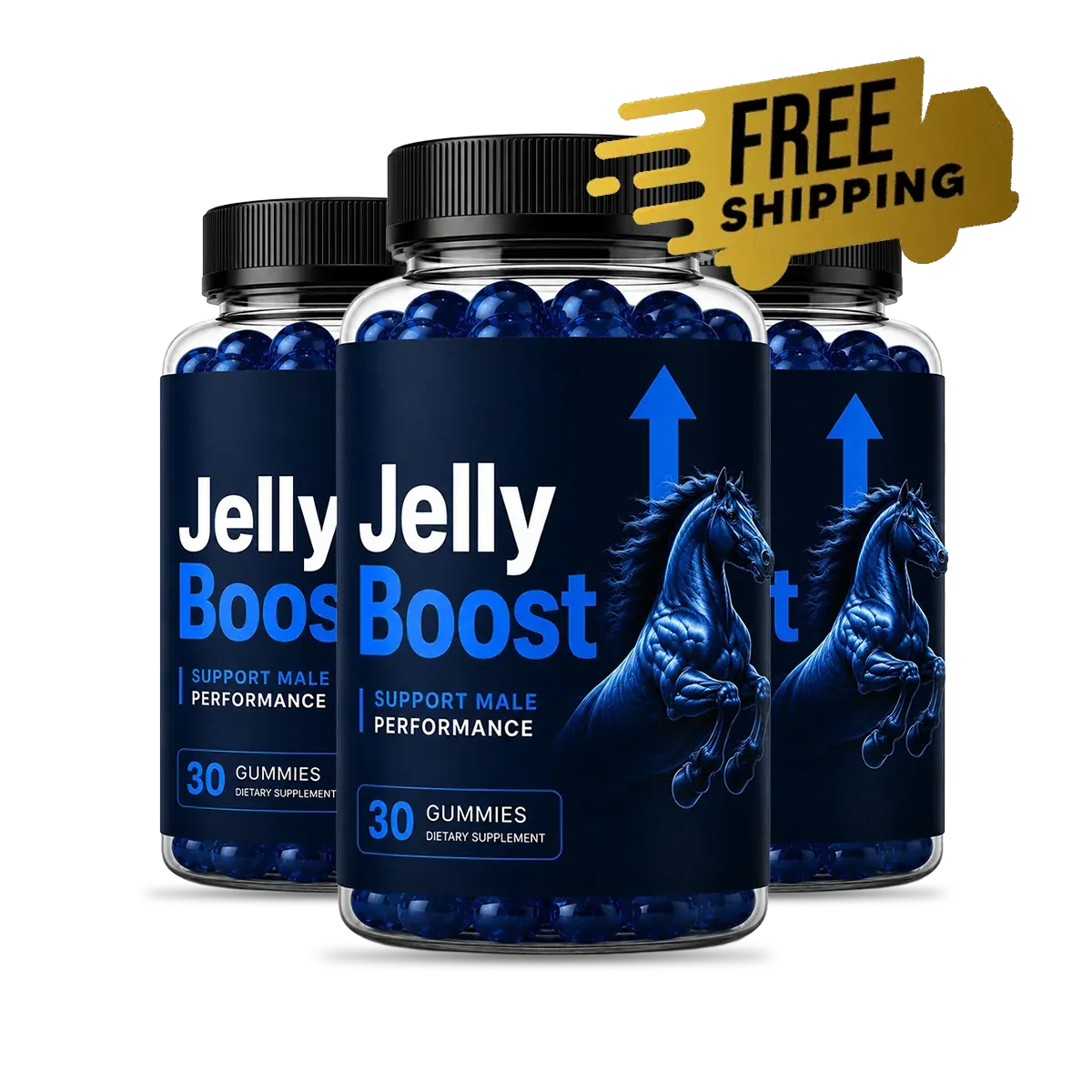
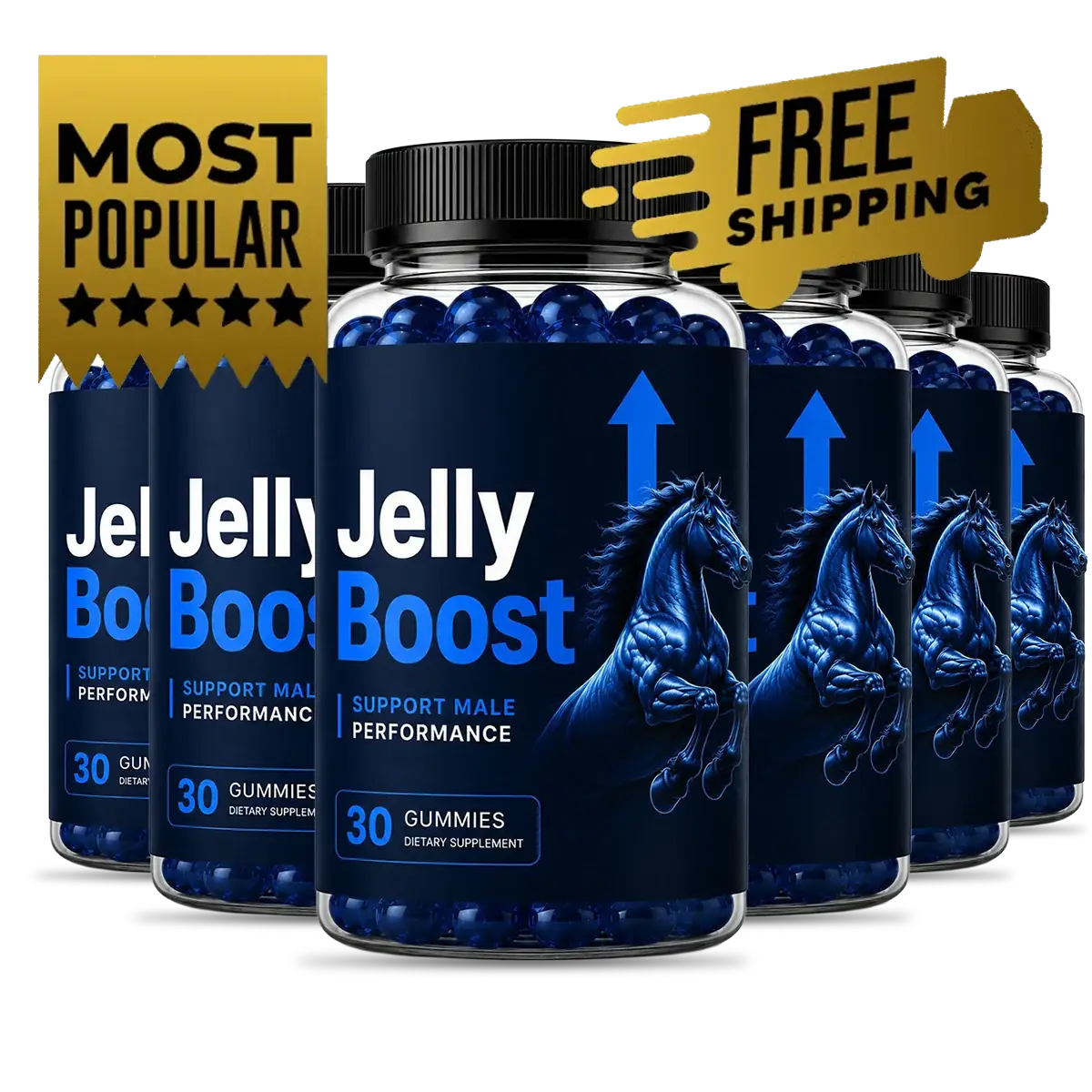
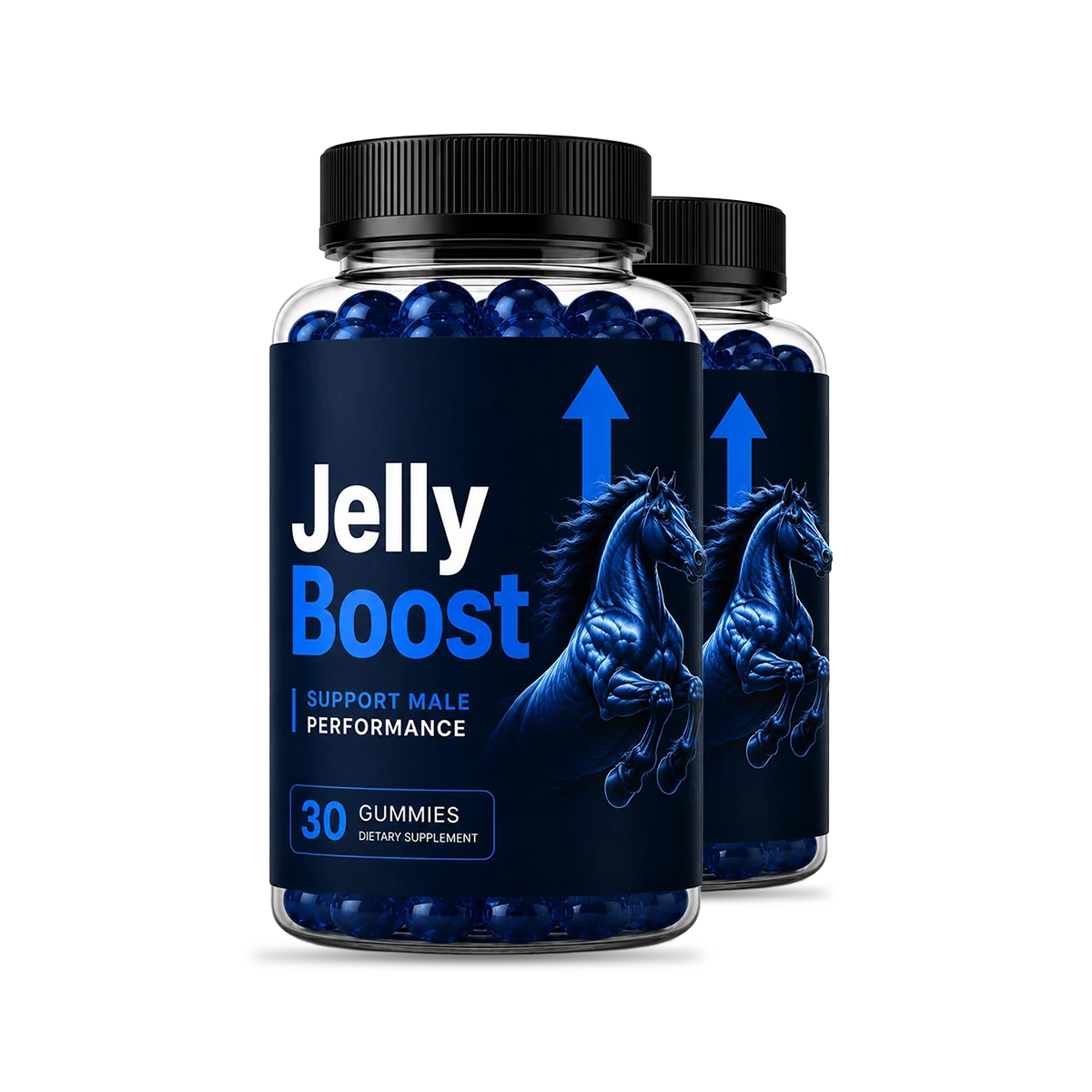
JellyBoost includes ashwagandha at 100 mg per gummy. Honestly, that sits below the 250–600 mg band used in the strongest trials, so we would not tell you a gummy replaces a dedicated stress-management routine. What it can do is sit alongside the fundamentals as part of a formula that also targets desire and blood flow through Tongkat Ali, maca and the nitric-oxide ingredients.
The order of operations is what matters. Fix sleep, train sensibly, breathe, and pull stimulants earlier in the day first — those are the moves that shift cortisol. A supplement is the last 10%, not the first. Anyone selling you the reverse is selling you the pitch, not the physiology.
A realistic four-week reset
You do not need to overhaul your life. Pick a small number of changes and hold them long enough to feel the difference. A workable starting point: set a fixed wake time and get daylight within the first hour; move your last coffee to before 2pm; lift three times a week and walk on the off days; do five minutes of slow breathing before bed; and keep alcohol to the weekend at most. Give it a month. Stress physiology responds gradually, but it does respond, and desire usually returns as the nervous system settles and sleep deepens.
Frequently asked
Does stress lower libido?
Yes. Short bursts of stress do little harm, but stress that stays switched on for weeks keeps cortisol elevated, and that reliably dampens sexual desire in men. It also disrupts sleep and raises fatigue, both of which pull testosterone and drive down further, so the effect compounds over time.
How does cortisol affect testosterone?
Cortisol and testosterone tend to move in opposite directions - think of a seesaw. When cortisol is chronically high, the brain dials back the signals that tell the testes to make testosterone, and cortisol can blunt testosterone's action at the tissue level too. Acute, short-lived stress is fine; it is the sustained elevation that matters.
How can I lower cortisol naturally?
The highest-yield levers are seven to nine hours of sleep, regular resistance exercise without overtraining, slow breathing or meditation, daylight in the morning, and cutting caffeine and alcohol late in the day. Ashwagandha is the one supplement with repeated human data for lowering perceived stress and cortisol.
Does ashwagandha reduce cortisol?
Several randomised human trials report that ashwagandha extract lowers cortisol and self-reported stress versus placebo, usually at 250 to 600 mg a day over four to twelve weeks. A few of those studies also saw small rises in testosterone. It is the best-evidenced adaptogen on the JellyBoost label, though it is not a substitute for fixing sleep and training.
Related reading
- Ashwagandha, cortisol and testosterone in men
- Sleep and testosterone: the overnight connection
- How to boost libido naturally in your 40s and 50s
- JellyBoost ingredients explained
See the current JellyBoost pricing
Full label, all seven actives, and today’s official-store discount.
These statements have not been evaluated by the Food and Drug Administration. This product is not intended to diagnose, treat, cure or prevent any disease. Speak to a qualified healthcare professional before starting any supplement.