Sleep and Testosterone: The Overlooked Lever
Quick Answer: Does Sleep Really Affect Testosterone?
Yes — more than almost any supplement. Most of a man's testosterone is produced during sleep, and sleeping under roughly five to six hours can cut daytime levels by about 10 to 15 per cent. Untreated sleep apnea is a hidden hormone killer. Fix sleep before you chase anything else.
- The mechanism: testosterone is largely made overnight and peaks at waking.
- The cost: five-hour nights can drop daytime T by 10–15%.
- The hidden threat: snoring and sleep apnea break the deep sleep that builds it.

Why sleep is the lever nobody talks about
Search "how to raise testosterone" and you will drown in supplements, exotic herbs and ice baths. The single most powerful lever gets a fraction of the attention because it cannot be sold in a bottle: sleep. A man's testosterone is produced in a rhythm tied tightly to the sleep cycle, with the bulk of daily output happening overnight and the level peaking in the early morning as you wake. In effect, the morning number is a readout of the night before. Skimp on the night and you skimp on the hormone — no herb reverses that trade.
This is not a small effect. Sleep sits upstream of nearly everything else men try. Better sleep improves recovery from training, steadies appetite and blood sugar, lowers the stress hormones that fight testosterone, and lifts the drive and mood that most men are actually chasing when they say they want "higher T." It is the closest thing to a free multiplier in this whole area.
How much sleep do I need for testosterone?
The practical target is seven to nine hours a night, kept consistent. The clearest demonstration of the cost of falling short comes from a well-known University of Chicago study: healthy young men restricted to about five hours of sleep for one week saw their daytime testosterone drop by roughly 10 to 15 per cent. To put that in perspective, that is a decline it would normally take ten to fifteen years of ageing to produce — compressed into a single week of short nights. The men also reported lower vigour and mood as the week wore on, which is the subjective side of the same coin.
The lesson is not to panic over one late night. It is that chronic short sleep — the five-to-six-hour habit many men wear as a badge of honour — is quietly taxing exactly the system they are trying to support. Consistency matters as much as duration: a stable wake time anchors the circadian clock that governs the whole cycle. For how that morning peak works, see morning testosterone.
Sleep apnea: the hidden T killer
If there is one thing in this article worth acting on, it may be this. Obstructive sleep apnea — where the airway repeatedly collapses during sleep, causing dozens or hundreds of brief awakenings and oxygen dips per night — is strongly associated with low testosterone. The mechanism is intuitive: apnea shreds the deep, uninterrupted sleep that hormone production depends on, and the resulting oxygen drops and fragmentation blunt the overnight testosterone rhythm. It is common, frequently undiagnosed, and disproportionately affects the middle-aged, overweight men most likely to also be worrying about their testosterone.
The warning signs are easy to dismiss: loud habitual snoring, a partner noticing pauses or gasping in your breathing, waking with a dry mouth or headache, and above all feeling unrefreshed no matter how many hours you spend in bed. If several of those ring true, a sleep study is one of the highest-value things you can do for both your energy and your hormones — and no supplement will out-work an untreated airway.
Sleep hygiene that actually protects your hormones
You do not need a perfect routine, just fewer of the things that wreck deep sleep. The highest-yield habits:
- Fix your wake time. A consistent wake time, even on weekends, stabilises the circadian rhythm more than a fixed bedtime does.
- Cool, dark, quiet. A cool room (around 18°C), blackout darkness and low noise all deepen sleep. Small changes here punch above their weight.
- Cut late alcohol. A nightcap helps you fall asleep but fragments the second half of the night and suppresses REM — a direct hit to hormone-supporting sleep.
- Get morning light, dim the evening. Bright light early anchors the clock; dim, screen-light evenings let melatonin rise on time.
- Protect the last hour. Wind down without your phone. The goal is to arrive at bed already calm, not to lie there waiting to switch off.
Chronic stress and high evening cortisol are frequent reasons men cannot switch off; if that is you, the wind-down matters even more, and it is worth reading stress, cortisol and male sex drive alongside this.
Shift work, jet lag and the broken clock
Not every sleep problem is about total hours — timing matters too. Testosterone production is governed by a circadian rhythm anchored to your regular sleep-wake cycle, so anything that repeatedly scrambles that clock can undercut it even when you technically sleep "enough." Rotating shift workers, frequent long-haul travellers and men who keep wildly different weekday and weekend schedules all put their internal clock through repeated resets. Daytime sleep after a night shift is typically shorter, lighter and less restorative than the same hours taken at night, so the deep, hormone-supporting stages take a hit.
You cannot always control your roster, but you can soften the damage. Keep your sleep window as consistent as the job allows, blackout the room completely for daytime sleep, use bright light strategically at the start of your active period and avoid it before your chosen sleep time, and be disciplined about caffeine timing so it is out of your system before you try to sleep. If your schedule is permanently irregular, treat every other lever in this article — alcohol, stress, training, body weight — as more important, not less, because they are the parts of the system still under your control. A stable clock is a genuine, if under-appreciated, part of protecting male hormones.
Do naps help?
A short nap — 20 to 30 minutes — can restore some alertness and take the edge off a poor night, and there is no harm in it if it does not wreck your night sleep. But be clear about what it is: a patch, not a replacement. The deep, sustained overnight sleep that drives testosterone production is not something a daytime nap fully reproduces. Use naps to cope with a bad night, not as permission to keep having them. The real fix is always the main sleep window.
One bad night versus a bad habit
It is worth keeping the effect in proportion, because sleep advice can tip into anxiety that itself wrecks sleep. A single short or broken night will not do lasting harm to your testosterone. The body is resilient over 24 hours, and one rough night followed by a normal one largely evens out; the morning after may feel flat, but the system recovers. What the research points to as genuinely costly is the pattern — the chronic five-to-six-hour habit repeated night after night, week after week, which never gives the overnight production process a full run.
This distinction matters for two reasons. First, it means you can stop catastrophising over the occasional late night or disrupted sleep with a new baby or a deadline; those are life, not a hormonal emergency. Second, it sharpens where your effort belongs: not in chasing one perfect night, but in raising your typical night from mediocre to good and holding it there. Consistency across weeks is the thing that moves the needle, and it is a far more forgiving target than perfection.
Where supplements fit — and where they don't
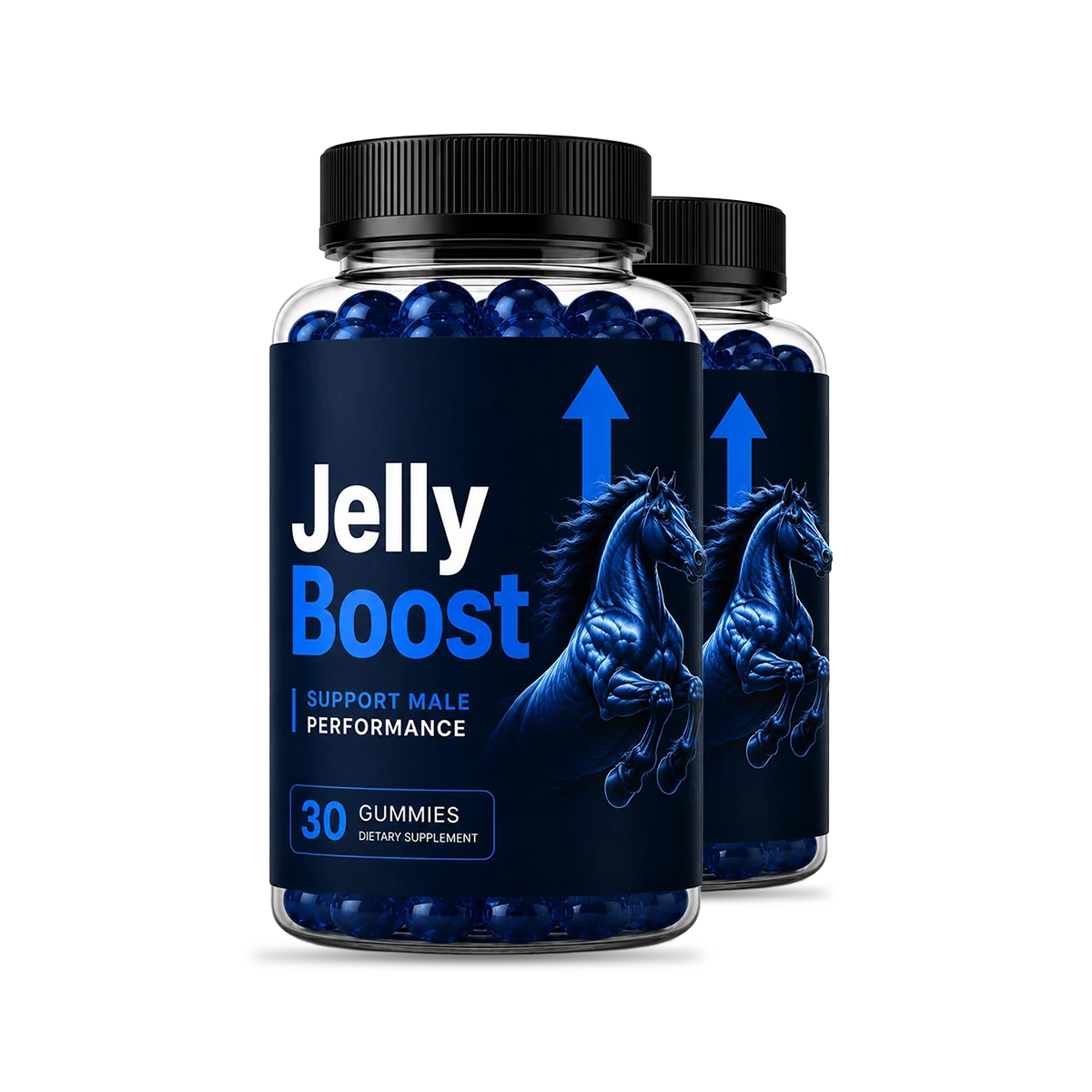
Here is the honest hierarchy: sleep is the foundation, and supplements sit on top of it or not at all. No men's formula, including JellyBoost, will out-perform the effect of adding two hours of quality sleep to a chronically short night. What a support formula can reasonably do is complement the basics: ashwagandha, the most human-studied ingredient on the JellyBoost panel, has evidence for lowering perceived stress — useful for the wired-but-tired man who cannot wind down — while maca and tongkat ali address drive and wellbeing once sleep is handled. Read them as support for a good routine, not a stand-in for one. Our ingredients explained hub covers the doses honestly, and if you want the full natural playbook, see how to increase testosterone naturally.
Related reading
- JellyBoost ingredients explained: the full formula
- Morning testosterone: why levels peak early
- How to increase testosterone naturally
- Stress, cortisol and male sex drive
Frequently asked
Does sleep affect testosterone?
Strongly. Most of a man's daily testosterone is produced during sleep, and the morning peak is essentially the output of the night before. Shorten or fragment sleep and you interrupt the exact process that makes the hormone, which is why poor sleepers often run lower.
How much sleep do I need for testosterone?
Aim for seven to nine hours a night on a consistent schedule. In studies, restricting healthy young men to about five hours cut daytime testosterone by roughly 10 to 15 per cent within a week - a drop it would otherwise take years of ageing to reach.
Does poor sleep lower testosterone?
Yes, and untreated sleep apnea is one of the biggest hidden offenders. The repeated overnight oxygen dips and arousals break up deep sleep and are linked with lower testosterone. Loud snoring, gasping and waking unrefreshed are worth getting checked.
Do naps help?
A short nap can help you recover some alertness after a poor night, but it does not fully replace the deep overnight sleep that drives hormone production. Naps are a useful patch, not a substitute for fixing your main sleep window.
See the current JellyBoost pricing
Full label, all seven actives, and today’s official-store discount.


These statements have not been evaluated by the Food and Drug Administration. This product is not intended to diagnose, treat, cure or prevent any disease. Speak to a qualified healthcare professional before starting any supplement.