How to Increase Testosterone Naturally: 10 Evidence-Based Ways
Quick Answer: How Do You Raise Testosterone Naturally?
Fix the foundations and stack them. Sleep seven to nine hours, lift weights and add short intense intervals, correct any vitamin D, zinc or magnesium shortfall, drop excess belly fat, and keep stress, alcohol and added sugar in check. No single habit is dramatic, but together, over months, they reliably support your natural range.
- Biggest quick lever: sleep — short sleep cut testosterone 10–15% in a week.
- Slow but real: fixing a vitamin D deficiency raised T ~20% over a year.
- Realistic scope: this restores your normal range, it does not create a super-physiological one.

Testosterone drives libido, energy, mood, muscle and bone in men, and it drifts down roughly 1–2% a year from your thirties onward. The good news is that a meaningful slice of low testosterone in modern men is not "ageing" at all — it is short sleep, carried body fat, chronic stress and a couple of nutrient shortfalls. Those are fixable. Here are ten levers that actually have evidence behind them, ranked roughly by how much they matter for the average man.
1. Protect your sleep first
Testosterone is made largely while you sleep, and it peaks in the early morning. That makes sleep the single most cost-effective lever most men have. In a well-known study, restricting healthy young men to five hours a night for one week dropped their daytime testosterone by 10–15% — a swing equivalent to aging them ten to fifteen years. Aim for seven to nine hours, keep a consistent schedule, and treat snoring or suspected sleep apnoea as a medical issue, because untreated apnoea is strongly linked to low testosterone.
2. Lift weights, and add short intense intervals
Resistance training is the most reliable exercise lever for testosterone. Compound movements that recruit large muscle groups — squats, deadlifts, presses, rows — produce the biggest acute hormonal response and, more importantly, build the lean mass and insulin sensitivity that support healthy levels long term. High-intensity interval training (HIIT) adds a further bump and is time-efficient. The caveat: chronic overtraining without recovery does the opposite, pushing cortisol up and testosterone down, so program in rest.
3. Fix a vitamin D deficiency
Vitamin D behaves more like a hormone than a vitamin, and receptors for it sit on the cells that produce testosterone. In deficient men, correcting it matters: in a yearlong placebo-controlled trial, roughly 3,300 IU of vitamin D per day raised total testosterone by about 20% versus placebo. The honest caveat is that this works by correcting a deficiency — if your levels are already adequate, more vitamin D will not push testosterone higher. Get a blood level checked before megadosing.
4. Cover zinc and magnesium
Zinc and magnesium are the two minerals most consistently tied to testosterone, and both are commonly under-consumed. Zinc is directly involved in testosterone synthesis, and deficiency reliably lowers levels; food sources include oysters, red meat and pumpkin seeds. Magnesium supports free (bioavailable) testosterone and is found in leafy greens, nuts and legumes. As with vitamin D, the effect is about repletion, not loading — supplementing beyond your needs does not keep pushing levels up, and very high zinc doses can backfire by blocking copper absorption.
5. Lose visceral fat
Excess body fat, especially the visceral fat around the organs, is one of the strongest correctable drivers of low testosterone. Fat tissue contains the enzyme aromatase, which converts testosterone into estrogen, and abdominal fat also worsens insulin resistance — a double hit. Weight loss reverses much of this: studies in overweight and obese men show that losing a meaningful percentage of body weight raises testosterone proportionally. You do not need to get lean; moving from obese toward a healthy waist size is where most of the gain sits.

6. Manage stress and cortisol
Cortisol, your main stress hormone, and testosterone sit on something of a seesaw: when chronic stress keeps cortisol elevated, testosterone tends to fall. This is one of the least glamorous but most real levers, because modern life keeps a lot of men in a low-grade fight-or-flight state. Practical tools with evidence include regular aerobic exercise, breathing practices, time outdoors, and protecting downtime. The adaptogen ashwagandha has the strongest human data on this panel for lowering cortisol and perceived stress, with modest reported testosterone rises — more on herbs below.
7. Get daylight, especially in the morning
Regular daylight exposure supports two things that feed testosterone: your circadian rhythm (which governs that morning testosterone peak) and, in summer, your vitamin D status. Morning light in particular helps anchor your sleep-wake cycle, which loops back to lever number one. This will not single-handedly transform your numbers, but it is free, and it stacks with sleep and vitamin D rather than competing with them.
8. Eat enough protein and healthy fats
Testosterone is synthesised from cholesterol, so aggressively low-fat diets can work against you. Diets that supply adequate healthy fats — olive oil, avocado, nuts, fatty fish — support normal production, while very-low-fat eating has been associated with lower levels. Protein matters too, mostly by protecting muscle and helping you stay lean. The nuance: this is about "enough," not "more is better." Cramming in extra fat above your needs does not raise testosterone; it just adds calories.
9. Cut excess alcohol and added sugar
Heavy alcohol intake directly suppresses testosterone production in the testes and, over time, raises estrogen — the occasional drink is not the problem, sustained heavy drinking is. Added sugar and refined carbohydrate hit indirectly: a high sugar load acutely lowers testosterone, and the weight gain and insulin resistance that follow a sugar-heavy diet do longer-term damage. You do not need to be a monk. Pulling back from daily drinking and cutting the obvious added-sugar sources removes two real headwinds.
10. Consider evidence-backed herbs — realistically
Herbs sit at the end of this list on purpose: they are the smallest lever, useful only after the foundations are in place. Two have the most credible human data. Ashwagandha (250–600 mg/day of a standardised extract) mainly lowers cortisol and perceived stress, with reported testosterone increases in the region of 14–15% in stressed or active men. Tongkat Ali (200–400 mg/day) has trials on fatigue, stress and free testosterone, with one study reporting most low-testosterone men normalising at 200 mg — though potency depends on the extract's standardisation, not just the milligrams. Treat these as a nudge on top of good habits, not a replacement for them, and check the full ingredient breakdown and the Tongkat Ali dose guide before spending money.
What "natural" methods will and won't do
Set expectations honestly. If you are genuinely deficient — poor sleep, low vitamin D, carrying excess fat, drinking heavily — fixing those things can produce a real, sometimes large improvement, because you are restoring a suppressed system. If your testosterone is already in a healthy range, these habits keep it there and support how you feel, but they will not create a super-physiological level; only medical treatment does that, and only when clinically indicated. If you have symptoms of genuinely low testosterone — persistent low libido, fatigue, mood changes, erectile issues — get a morning blood test and see a doctor rather than self-treating.
Related reading
- JellyBoost ingredients explained: what each active actually does
- Foods that support testosterone (and 4 that quietly lower it)
- Sleep and testosterone: why the morning peak matters
- Exercise and testosterone: lifting, HIIT and recovery
Frequently asked
How can I raise testosterone naturally?
Fix the basics first: sleep seven to nine hours, lift weights, correct any vitamin D, zinc or magnesium deficiency, lose excess belly fat, and keep stress and alcohol in check. None of these is dramatic on its own, but stacked together over months they move the needle far more reliably than any single pill.
What is the fastest way to increase testosterone?
The quickest measurable lever for most men is sleep. Cutting healthy young men to five hours a night dropped daytime testosterone by 10 to 15 percent within a week in one study. There is no legitimate overnight fix, but restoring sleep, and correcting a genuine vitamin D or zinc deficiency, can show up within weeks.
Do foods really help testosterone?
Food helps mainly by fixing deficiencies and body composition, not by magic. Getting enough zinc, magnesium, vitamin D, protein and healthy fats supports normal production, while excess alcohol, added sugar and being overweight work against it. Diet sets the foundation; it does not push a healthy man far above his normal range.
How long does it take to raise testosterone naturally?
Expect weeks to months, not days. Sleep changes can register in about a week, correcting a vitamin D deficiency took a full year to raise testosterone by roughly 20 percent in one trial, and fat loss and training work over months. Consistency beats intensity here.
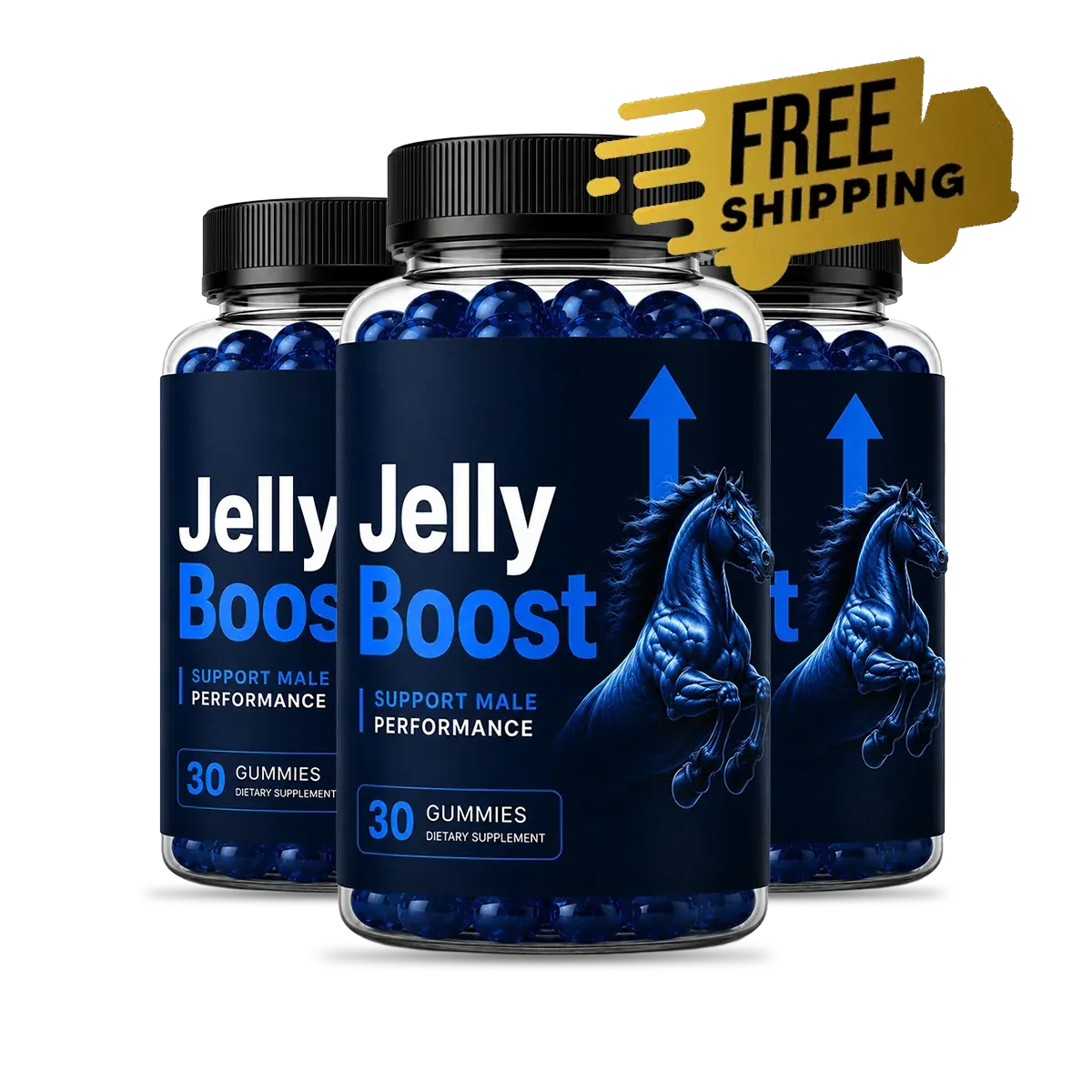
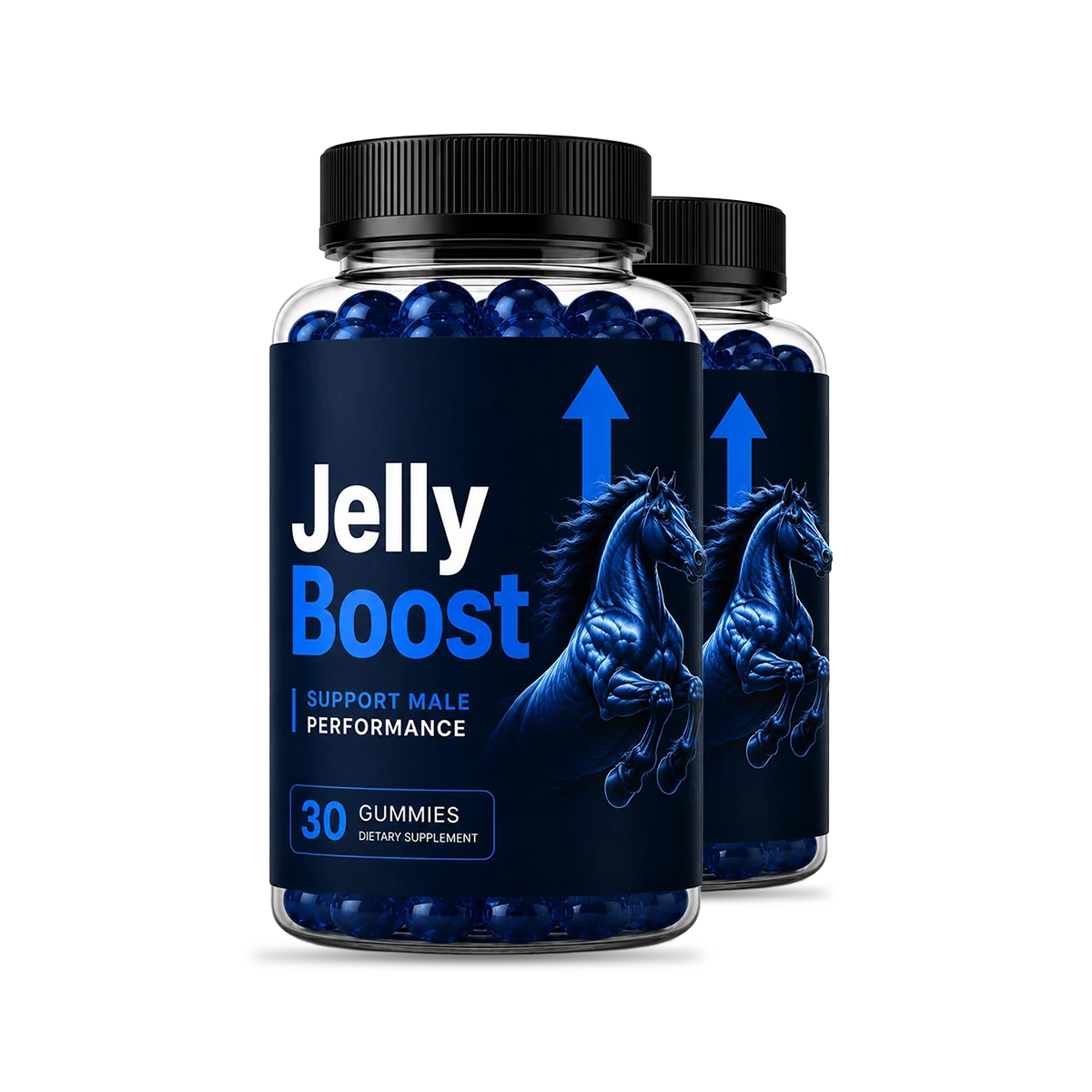
See the current JellyBoost pricing
A men's vitality gummy built on Tongkat Ali, Maca, Ashwagandha and more — see today’s official-store discount.

These statements have not been evaluated by the Food and Drug Administration. This product is not intended to diagnose, treat, cure or prevent any disease. Speak to a qualified healthcare professional before starting any supplement.