Foods That Support Testosterone (and 4 That Quietly Lower It)
Quick Answer: Which Foods Support Testosterone?
No food raises testosterone by itself. The ones that help supply what a healthy system needs: zinc (oysters, beef, pumpkin seeds), vitamin D (fatty fish, eggs), magnesium (spinach, almonds, cashews), pomegranate, and monounsaturated fats (avocado, olive oil). They work by fixing shortfalls and keeping you lean — not by magic.
- Best supporters: zinc, vitamin D, magnesium, healthy fats, pomegranate.
- Quiet saboteurs: excess alcohol, added sugar, ultra-processed food, trans fats.
- The real mechanism: correcting deficiencies and staying lean, not any single "superfood".

"Testosterone foods" are one of the most over-promised topics in men's health. Let's be clear up front: eating a plate of oysters will not spike your levels the way the internet implies. What diet actually does is quieter and more durable — it supplies the vitamins, minerals and fats your body needs to make testosterone, and it keeps you at a body-fat level where that system works properly. Get that right and you remove some of the biggest correctable drags on male hormones. Here are the foods worth prioritising, and the four categories worth pulling back on.
The foods that genuinely support testosterone
Zinc: oysters, beef, pumpkin seeds
Zinc is the mineral most directly tied to testosterone synthesis, and it is one of the more commonly under-consumed nutrients in men who eat a lot of processed food. Deficiency reliably lowers testosterone, and correcting it restores levels — the key word being correcting. Oysters are famously zinc-dense (which is most of the real story behind their reputation), followed by red meat, shellfish and pumpkin seeds. If you eat meat regularly you are probably covered; if you do not, zinc is one to watch.
Vitamin D: fatty fish and eggs
Vitamin D acts more like a hormone than a vitamin, and the cells that produce testosterone carry receptors for it. Sunlight is the main source, but food helps top up: fatty fish (salmon, mackerel, sardines), egg yolks and fortified foods. The evidence is strongest for deficient men — in a yearlong trial, correcting a shortfall with roughly 3,300 IU daily raised testosterone by about 20%. If you are already replete, more will not push it higher.
Magnesium: spinach, almonds, cashews
Magnesium supports the fraction of testosterone that is "free," or biologically available, rather than bound to proteins in the blood. It is also involved in sleep quality and insulin sensitivity, both of which loop back to hormones. Leafy greens like spinach, along with almonds, cashews, pumpkin seeds and legumes, are reliable sources. As with zinc and vitamin D, the benefit is about meeting your needs, not loading up.
Pomegranate
Pomegranate earns a place mostly for its antioxidant polyphenols and their effect on stress and circulation. Small studies have linked pomegranate juice to lower cortisol and improved mood and blood flow — and because chronic cortisol works against testosterone, anything that helps keep stress hormones down is working in the right direction. Treat it as a useful, pleasant addition rather than a proven testosterone booster.
Monounsaturated fats: avocado and olive oil
Testosterone is synthesised from cholesterol, so dietary fat is not the enemy here — aggressively low-fat diets have actually been associated with lower levels. Monounsaturated fats from avocado, olive oil, nuts and olives support normal production and are the backbone of a Mediterranean-style pattern that consistently looks good for men's health. The nuance is "enough, not more": extra fat above your needs just adds calories.
Garlic and onion
Garlic and onion are minor supporting players with some interesting animal data suggesting compounds in them may support testosterone production and antioxidant status. Human evidence is thin, so do not build a strategy around them — but as everyday flavour with broader cardiovascular upside, they fit comfortably into a testosterone-friendly kitchen.
The 4 foods that quietly lower it
1. Excess alcohol
Alcohol is the clearest dietary suppressor of testosterone. It acts directly on the testes to reduce production and, with sustained heavy intake, tips the balance toward estrogen. The dose matters enormously: an occasional drink is not the issue, whereas daily or binge drinking is a genuine headwind. If you are working on your levels, alcohol is usually the highest-leverage thing to cut.
2. Added sugar and refined carbohydrate
A large sugar load can acutely lower testosterone for hours, and more importantly the weight gain and insulin resistance that follow a habitually high-sugar diet do lasting damage. Sugary drinks, sweets and refined-flour snacks are the obvious targets. You do not need zero carbs — whole-food carbohydrates are fine — but the added-sugar sources are worth trimming hard.
3. Heavily processed foods
Ultra-processed foods bundle several problems: they are usually calorie-dense, low in the very minerals above, high in added sugar and poor-quality fats, and easy to overeat. The net effect is weight gain and nutrient dilution — exactly the combination that undermines testosterone. This is less about one villain molecule and more about what these foods crowd out.
4. Trans fats
Industrial trans fats, found in some fried foods and older packaged baked goods, are associated with worse testosterone and reproductive markers in men, alongside their well-known cardiovascular harm. They have been phased out of many products but still lurk in some. Reading labels for "partially hydrogenated oils" and favouring whole-food fats sidesteps the problem.
The "testosterone killer" myths worth ignoring
Every food list attracts scare stories, and a few deserve to be retired. Soy is the biggest one. Despite the persistent claim that soy foods "feminise" men, controlled human trials and pooled analyses have not found that normal dietary amounts of soy or its isoflavones lower testosterone or estrogen in men. You would have to eat implausible quantities to see an effect, so tofu, edamame and soy milk are not the threat the internet made them. Eggs and red meat are another target — blamed for cholesterol — but dietary cholesterol in moderation is not the problem it was once thought to be, and both are genuinely useful sources of the nutrients above. Coffee is broadly neutral to mildly positive. The point is that chasing exotic villains distracts from the four categories that actually matter: alcohol, added sugar, ultra-processed food and trans fats. Fix those, cover your minerals and fats, and you have done the part of the diet that the evidence actually supports.
Putting it on a plate
You do not need a special diet, just a sensible pattern. A Mediterranean-style approach — fish, eggs, lean and red meat in reasonable amounts, plenty of vegetables and leafy greens, nuts, olive oil, whole-food carbs, and minimal added sugar and alcohol — naturally covers zinc, magnesium, vitamin D and healthy fats while avoiding the four saboteurs. A worked example breakfast: whole eggs cooked in olive oil with spinach, avocado on the side, and a handful of nuts. That single meal hits vitamin D, healthy fats, magnesium and zinc without the sugar spike of cereal or a pastry.
One honest caveat to keep the whole thing in proportion: diet fixes deficiencies and body composition, and that can produce a real improvement if you were falling short. It will not turn a healthy man into a super-physiological one. If you suspect genuinely low testosterone, food is the foundation but a morning blood test and a doctor's input come first. If you want to understand how targeted herbs fit on top of a good diet, see the ingredient breakdown.
Related reading
- How to increase testosterone naturally: 10 evidence-based ways
- Alcohol, sugar and testosterone: the two biggest dietary headwinds
- Zinc, magnesium and vitamin D: the mineral trio for men's hormones
- JellyBoost ingredients explained: what each active actually does
Frequently asked
What foods increase testosterone?
There is no single food that raises testosterone on its own. The ones that help supply the raw materials a healthy system needs: zinc from oysters, beef and pumpkin seeds; vitamin D from fatty fish and eggs; magnesium from spinach, almonds and cashews; healthy monounsaturated fats from avocado and olive oil; plus pomegranate, garlic and onion. They work mainly by fixing shortfalls.
What foods lower testosterone?
Four everyday categories work against it: excess alcohol, added sugar and refined carbohydrate, heavily processed foods, and trans fats. Heavy drinking suppresses production directly, a big sugar load acutely lowers testosterone, and the weight gain that follows a processed, sugary diet does longer-term damage through fat gain and insulin resistance.
Does diet really affect testosterone?
Yes, but mostly through deficiencies and body composition rather than magic ingredients. Correcting low zinc, magnesium or vitamin D helps, getting enough healthy fat matters because testosterone is made from cholesterol, and staying lean avoids the aromatase activity in excess fat that converts testosterone to estrogen. Diet sets the foundation; it does not push a healthy man far above his normal range.
What is a good testosterone-friendly breakfast?
A simple example is whole eggs cooked in olive oil with spinach, plus a side of avocado and a handful of nuts. That covers vitamin D and healthy fats from the eggs, magnesium from spinach and nuts, and monounsaturated fat from avocado and olive oil, without the added sugar of a typical cereal or pastry breakfast.
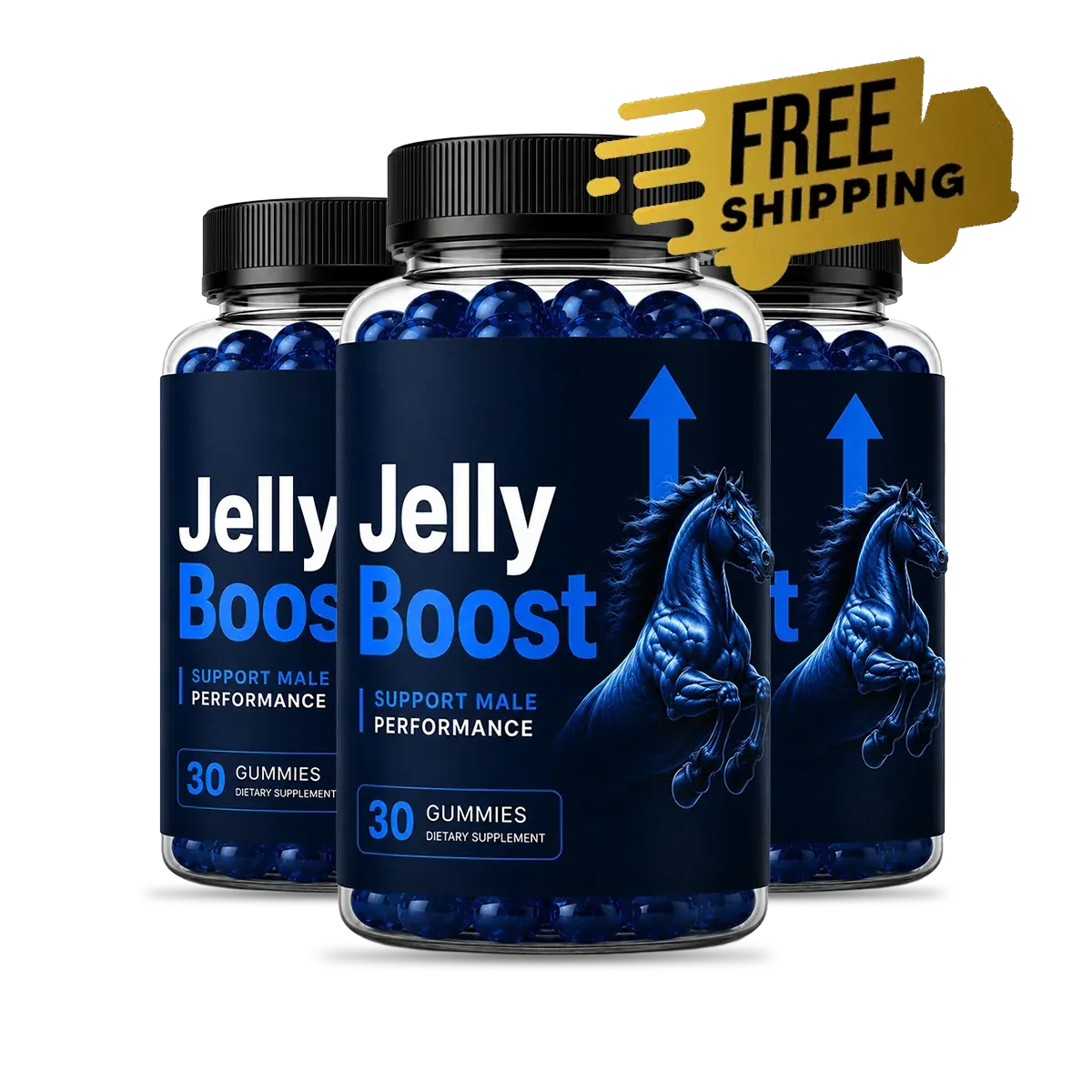
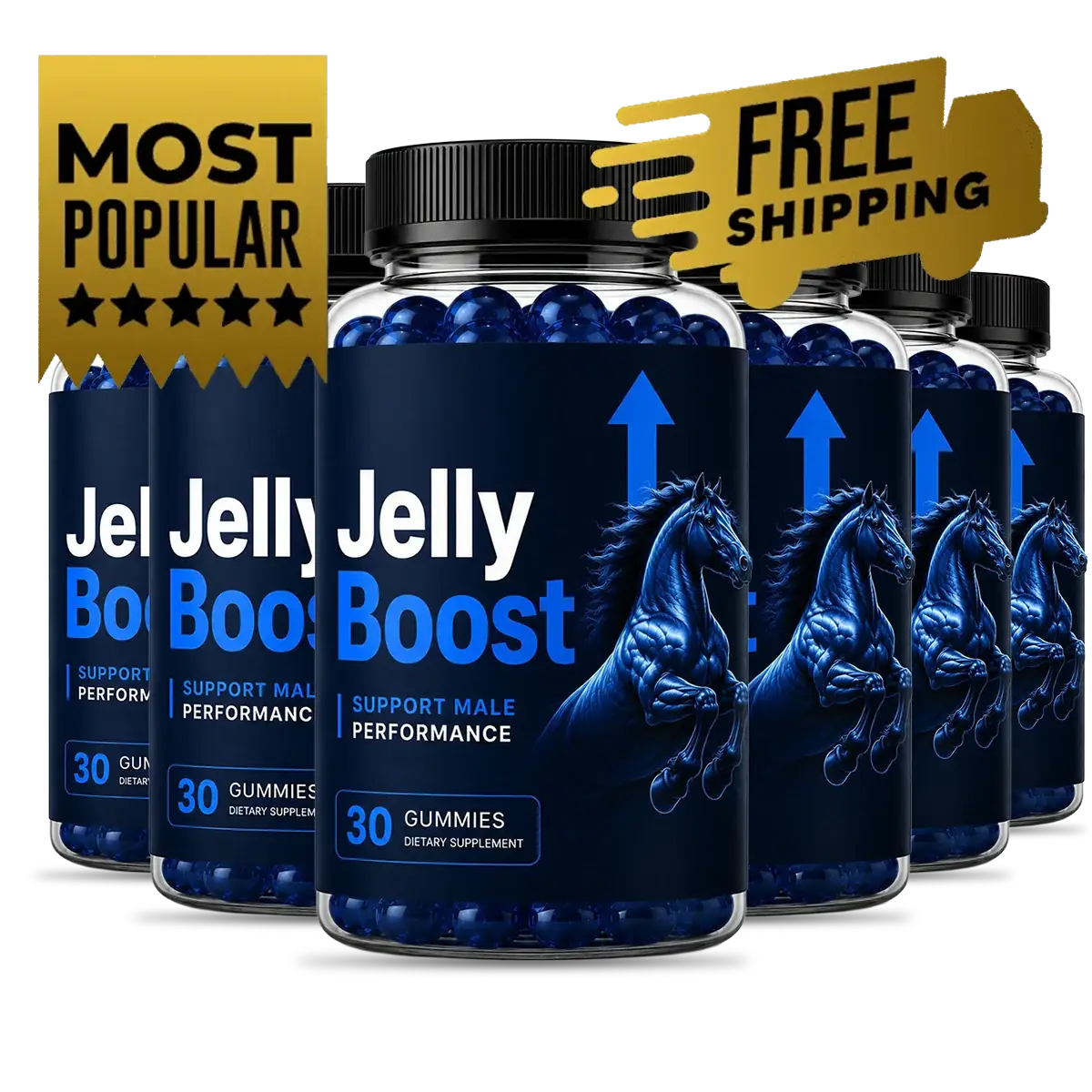
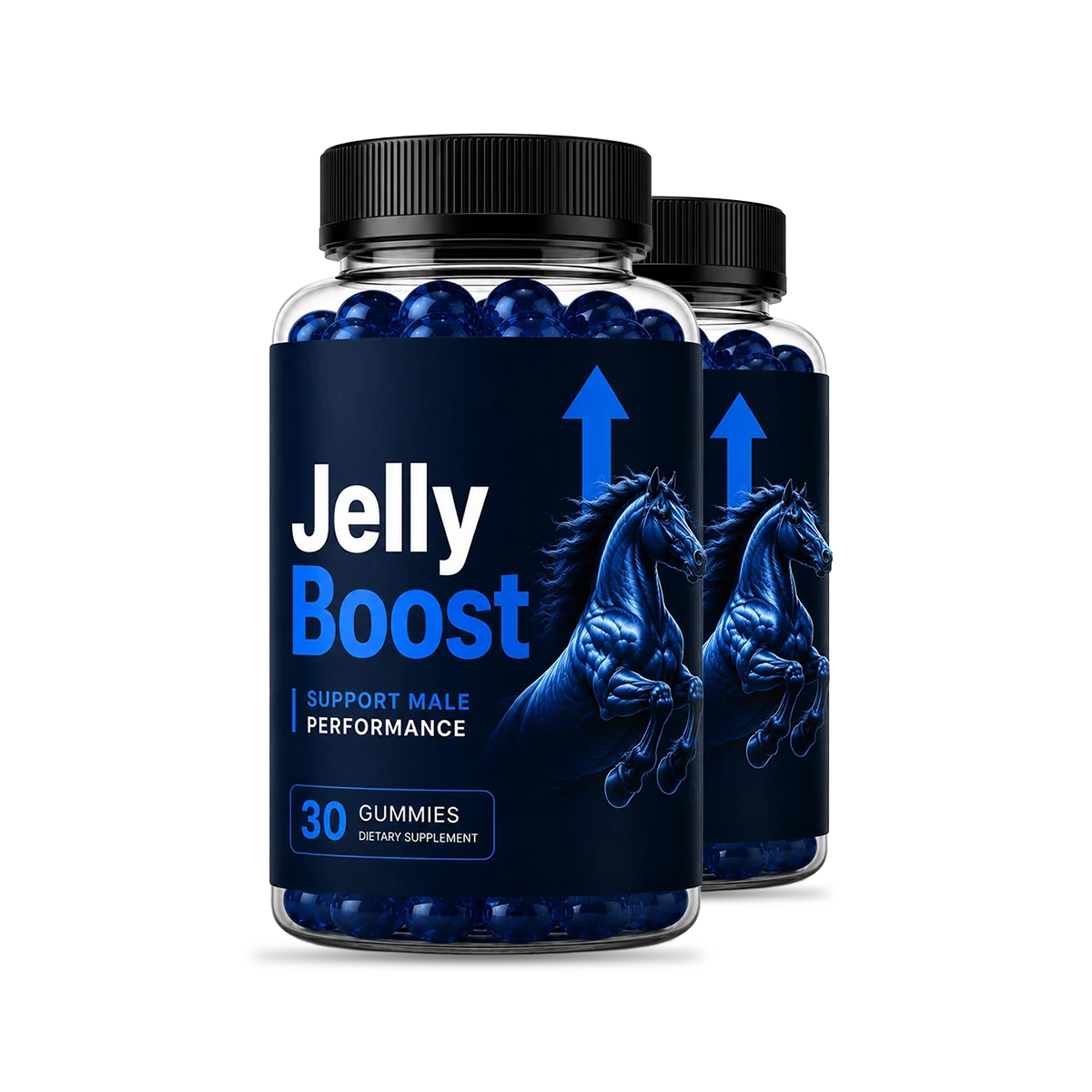
See the current JellyBoost pricing
A men's vitality gummy built on Tongkat Ali, Maca, Ashwagandha and more — see today’s official-store discount.
These statements have not been evaluated by the Food and Drug Administration. This product is not intended to diagnose, treat, cure or prevent any disease. Speak to a qualified healthcare professional before starting any supplement.