Exercise and Testosterone: What Actually Moves the Needle
Quick Answer: Does Exercise Raise Testosterone?
Yes, but the biggest levers are specific. Heavy compound resistance training and short high-intensity intervals produce the clearest testosterone response, while endless cardio and overtraining can blunt it. Most of the long-term benefit comes indirectly — more muscle, less fat, better sleep and insulin sensitivity all support healthier testosterone.
- Best driver: compound lifts (squat, deadlift, press, row) at moderate-to-heavy loads.
- Bonus: a couple of short HIIT sessions a week.
- Watch out: chronic excess endurance and overtraining suppress it.

“Exercise boosts testosterone” is one of those half-true headlines that sends men in the wrong direction. Some training genuinely moves the hormone; some barely touches it; and a certain kind, done to excess, can push it down. The details are worth getting right, because the right program does far more than any gummy on the market.
What the research actually shows
Two things are true at once. First, hard training produces a real, measurable rise in testosterone — but it is usually acute, meaning it spikes during and shortly after the session and then settles. Second, the durable benefit is indirect. Men who train consistently carry more muscle, less visceral fat, better insulin sensitivity and deeper sleep, and that whole profile is associated with healthier testosterone over months and years. So the honest framing is not “one workout permanently raises your baseline” but “the right training habit builds the body composition and recovery that let your hormones sit where they should.”
That distinction keeps expectations sane. You are not chasing a single magic session. You are building a physiology that produces and uses testosterone well.
Resistance training: the clearest signal
If you do one thing, lift. Resistance training — especially big compound movements — produces the most reliable acute hormonal response and drives the muscle growth that pays off long term. The reasons are mechanical: exercises that recruit large amounts of muscle across multiple joints demand the most from your system.
Prioritise the movements that give you the most muscle per rep:
- Squats and deadlifts — the two biggest whole-body lifts.
- Presses — bench and overhead.
- Rows and pull-ups — for the pulling half of the body.
Use moderate-to-heavy loads for multiple sets in a challenging rep range, roughly six to twelve reps for most work, taken close to but not always to failure. Isolation machines and endless single-joint accessory work have their place, but they are not what moves your hormones — they move individual muscles. Build your session around the compounds and treat the rest as garnish.
HIIT: the useful supplement
High-intensity interval training — short, all-out efforts separated by recovery — is the cardio style with the best hormonal reputation. Sprints, bike intervals, hill efforts or a few hard rounds on a rower deliver a strong stimulus in little time, and they improve conditioning and insulin sensitivity without the recovery cost of long endurance sessions. Two short HIIT sessions a week is plenty for most men; more than that tends to eat into lifting recovery.
When more exercise backfires
This is the part the fitness industry skips. More is not always better. Chronic, high-volume endurance training — heavy weekly running or cycling mileage without adequate recovery — is associated with lower resting testosterone in some men. The likely culprit is not cardio itself but overtraining: a sustained energy deficit and chronically elevated cortisol, which sits on the opposite end of the seesaw from testosterone.
Overtraining from lifting is possible too. Training every muscle to failure every day, sleeping poorly and under-eating is a recipe for stalled progress and a flat, tired feeling. The tell-tale signs are stubborn fatigue, disrupted sleep, falling performance and, often, dropping libido. If that is you, the answer is usually less volume and more recovery, not more grinding.
None of this means avoid cardio. Moderate cardio is genuinely good for your heart, your mood and your metabolic health. The problem is only the extreme end without recovery.
Recovery is part of the dose
Training is the stimulus; recovery is when the adaptation — and much of the hormonal payoff — actually happens. Testosterone is produced largely during deep sleep, so a program that trashes your sleep is working against itself. Treat these as non-negotiable: seven to nine hours of sleep, at least one or two full rest days a week, and enough protein and total calories to support the work you are asking your body to do. Chronic under-eating while training hard is one of the most common self-inflicted causes of low energy and low drive in active men.
A practical weekly program
You do not need anything elaborate. A simple, durable template for most men:
- Lift 3–4 times a week, built around compound movements, progressing the load or reps over time.
- Add 1–2 short HIIT sessions on non-lifting days if you have the recovery for it.
- Walk daily — low-intensity movement aids recovery and fat loss without the overtraining cost.
- Take rest days seriously and deload every few weeks if you are training hard.
Consistency over months beats heroics for a fortnight. The man who lifts three times a week for a year will out-perform the one who does two-a-days in January and quits by March.
Why compound lifts beat isolation for hormones
It is worth understanding why the big movements matter so much more than the small ones. The size of the hormonal response scales with how much muscle you recruit and how much total work you do. A heavy squat loads your legs, back, core and grip all at once; a seated leg extension loads one muscle through one joint. Same time in the gym, wildly different demand on your system. This is not an argument to never do isolation work — it builds and balances individual muscles — but it should sit around a core of compound lifting, not replace it. Men who spend an hour drifting between machines and mirrors, avoiding the hard whole-body lifts, are doing the version of training that moves the needle least.
Does the testosterone response fade with age?
Younger men tend to show a larger acute testosterone spike after heavy training than older men, and it is tempting to read that as “lifting stops working with age.” It does not. The long-term benefits — more muscle, less fat, better insulin sensitivity, deeper sleep, stronger bones and better mood — hold up across the lifespan and arguably matter more as the years add up. Resistance training is one of the most powerful tools an older man has for defending both his body composition and his hormonal health. The acute spike is the least important part of the story at any age; the body you build with consistent training is the part that lasts.
Common mistakes that stall your progress
Most men who feel like training “isn’t working” are making one of a few predictable errors. They program-hop every few weeks and never progress a lift long enough to adapt. They chase soreness and novelty instead of steadily adding weight or reps to the core movements. They train hard but sleep and eat like it is optional, so recovery never catches up. Or they swing to the opposite extreme — grinding every session to failure, seven days a week, until fatigue flattens everything including their drive. Pick a simple compound-based plan, progress it patiently, eat and sleep to support it, and leave enough in the tank to come back. Boring consistency is what actually changes a body.
Where a supplement fits
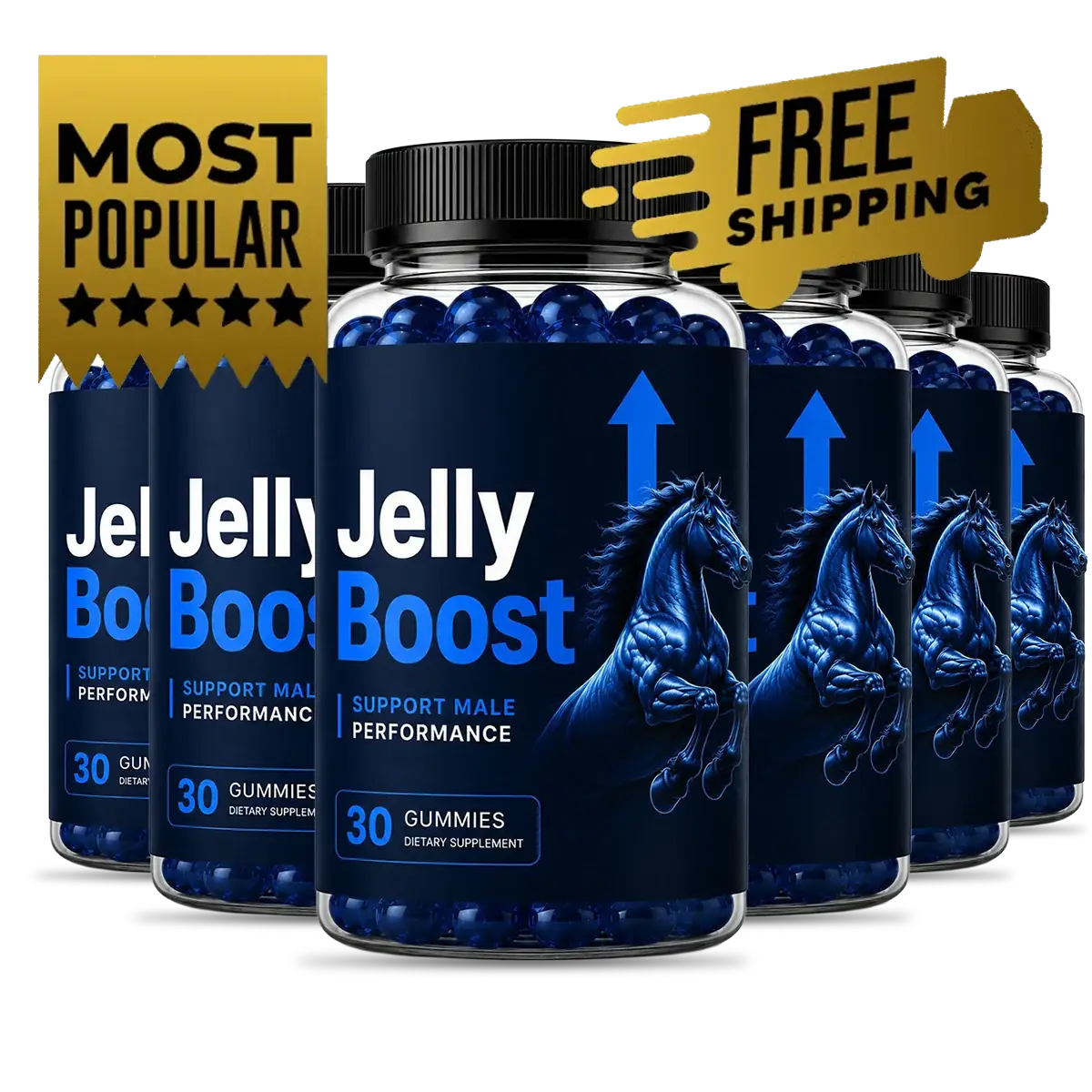
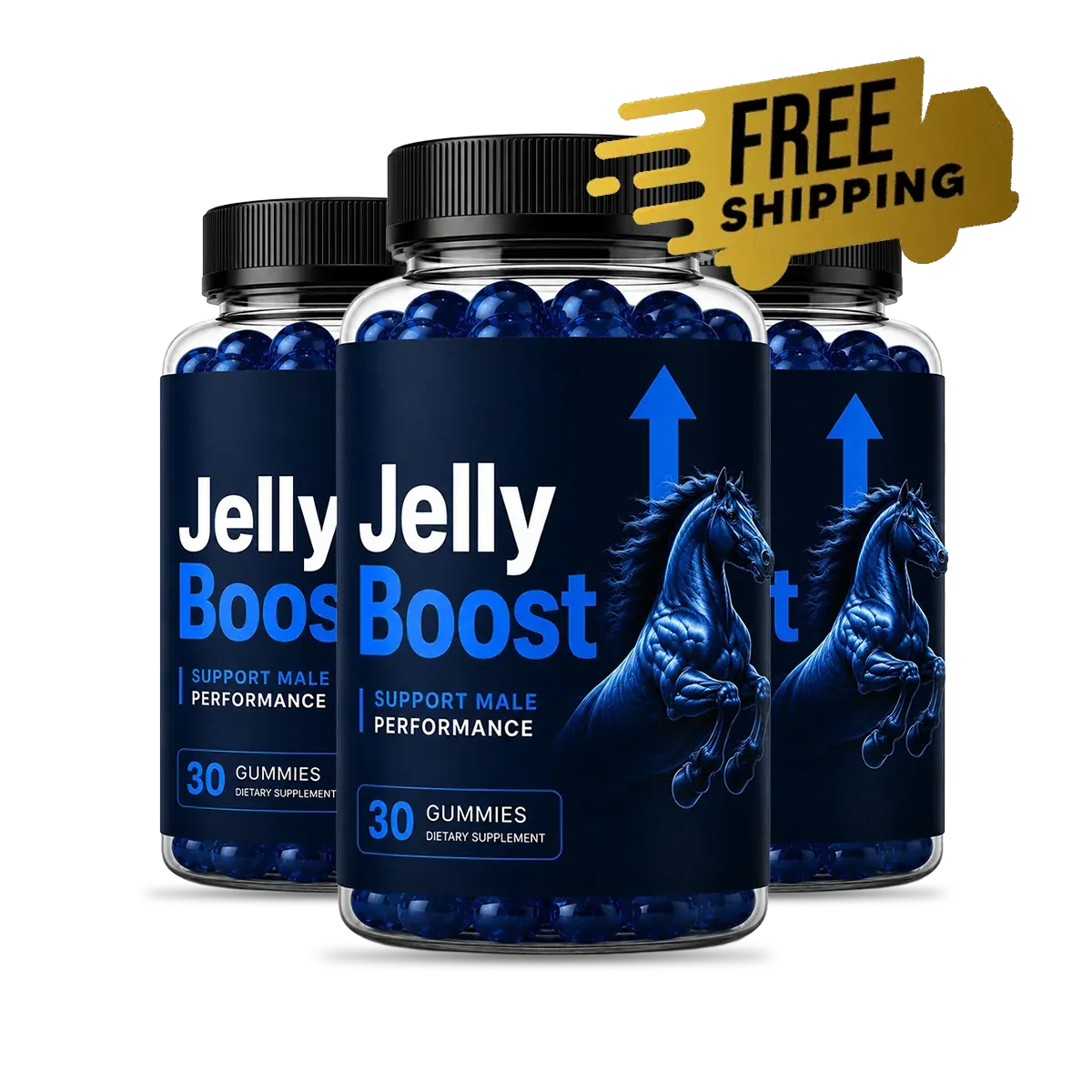
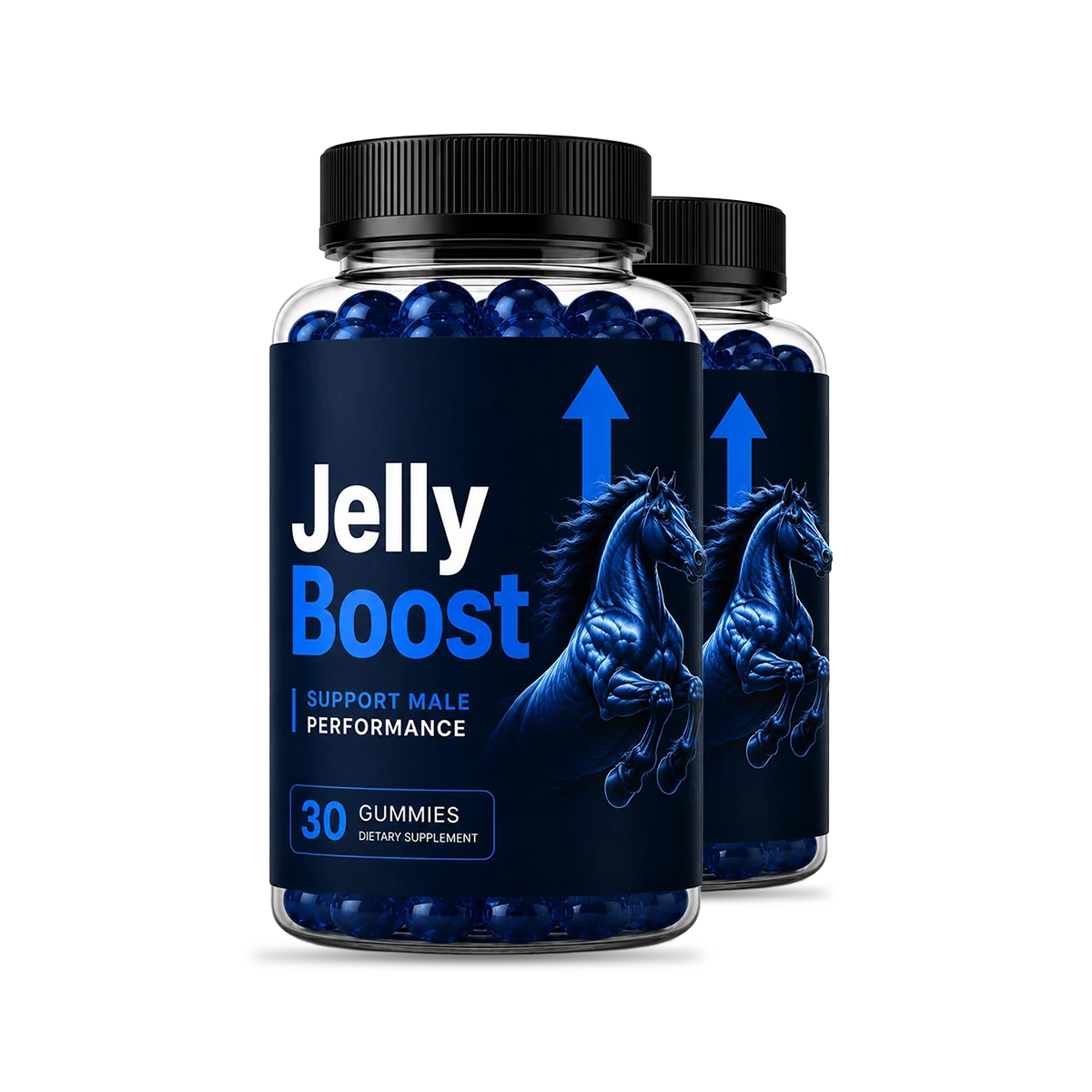
Be clear-eyed here. No gummy substitutes for the stimulus of picking up heavy things, and JellyBoost does not claim to. What a formula like this can do is sit alongside the fundamentals — ashwagandha to help with the stress and recovery side, and the nitric-oxide ingredients (beet root, L-arginine) that support blood flow and pumps during training. Think of supplements as the last few percent around a solid program, sleep and nutrition. If the training is not there, no capsule fills the gap.
Frequently asked
Does exercise increase testosterone?
Yes, though mostly in short-lived spikes rather than a permanently higher baseline. Heavy resistance training and high-intensity intervals produce the clearest acute testosterone response. The bigger long-term win is indirect: regular training builds muscle, cuts body fat and improves sleep and insulin sensitivity, all of which support healthier testosterone over time.
What is the best workout for testosterone?
Compound resistance training - squats, deadlifts, presses, rows and pull-ups - using moderate to heavy loads and multiple sets recruits the most muscle and drives the strongest hormonal response. Adding short high-intensity intervals a couple of times a week helps too. Isolation machines and light, endless cardio move the needle far less.
Does too much cardio lower testosterone?
It can. Moderate cardio is healthy and fine, but chronic high-volume endurance training - think heavy weekly mileage without enough recovery - is associated with lower resting testosterone in some men. The mechanism is largely overtraining and elevated cortisol, so the fix is managing volume and recovery, not avoiding cardio altogether.
How often should I train?
For most men, lifting three to four times a week with a focus on big compound movements is the sweet spot. That is enough to build muscle and stimulate the hormonal response while leaving room to recover. Recovery is part of the program: sleep, rest days and not training to failure every session all matter.
Related reading
- How to increase testosterone naturally
- Stamina and energy for men over 40
- Sleep and testosterone: the overnight connection
- JellyBoost ingredients explained
See the current JellyBoost pricing
Full label, all seven actives, and today’s official-store discount.
These statements have not been evaluated by the Food and Drug Administration. This product is not intended to diagnose, treat, cure or prevent any disease. Speak to a qualified healthcare professional before starting any supplement.