Do Testosterone Booster Supplements Actually Work? An Honest Look
Quick Answer: Do Testosterone Boosters Work?
Sometimes — and it depends heavily on where you start. Boosters help most when you are deficient in vitamin D, zinc or magnesium, or when chronic stress is suppressing your hormones. If your levels are already healthy, most do little, and none of them work like prescription testosterone. They nudge the system; they do not replace it.
- Best evidence: ashwagandha, Tongkat Ali, correcting real deficiencies.
- Realistic timeline: weeks to months, not days.
- Key limit: a booster is not testosterone replacement therapy.

The question behind the question
"Do testosterone boosters work?" is really two questions wearing one coat. The first is whether any supplement ingredient can move testosterone at all. The second is whether it will do anything you can feel. The marketing blurs the two on purpose, implying that a modest change on a blood test will translate into a dramatic change in energy, muscle and drive. Usually it does not. But that does not make the whole category a scam — it makes it a category where the answer is "it depends," and the details decide everything.
The single biggest variable is your starting point. A booster is not adding testosterone to your body. At best, it removes something that was holding your own production down, or supplies a raw material you were short of. If nothing is holding you down and you are not short of anything, there is little for it to do. That is why the same product can genuinely help one man and do nothing measurable for another.
Where the evidence is actually strong
Strip away the hype and a short list of ingredients has real human data behind it.
Ashwagandha has the strongest and most consistent evidence of the common vitality ingredients. Its main trick is lowering cortisol and perceived stress — and because chronic stress suppresses testosterone, easing that pressure can let levels recover. Several randomised trials in stressed or active men have reported meaningful drops in cortisol alongside testosterone increases in the region of 14 to 15 percent and DHEA-S rises of around 18 percent. Those are believable, useful numbers, not miracle numbers.
Tongkat Ali is the other botanical worth taking seriously. Human studies of standardised extracts have shown improvements in free testosterone, fatigue and stress markers, particularly in older men and those starting on the low side. Potency depends on the extract's standardisation rather than the milligram figure alone, which is a whole subject in itself.
Correcting a genuine deficiency is the most reliable "booster" of all, and it is the least marketed because you cannot patent it. Vitamin D, zinc and magnesium are each required for normal testosterone production. If you are deficient, fixing that deficiency can raise your levels — one year-long study using around 3,300 IU of vitamin D daily reported roughly a 20 percent increase in men who had been low. The crucial word is deficient: topping up a level that is already normal does not stack extra benefit on top.
Where the evidence is thin
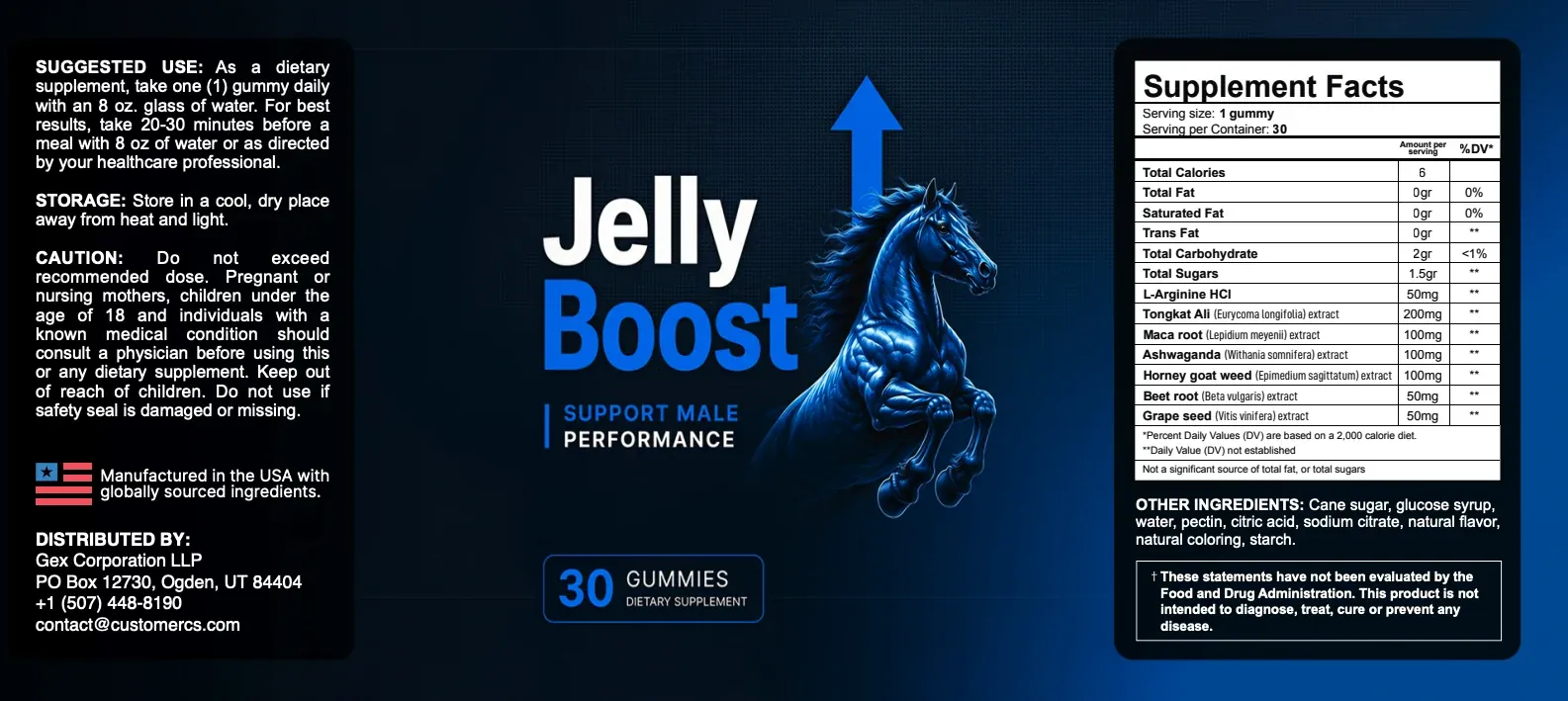
Plenty of ingredients ride on the coat-tails of the ones above. Some — like the classic "test booster" herbs sold on animal studies — have interesting preclinical data in cells or rodents that has never reliably reproduced in men. Horny Goat Weed is a fair example from this very category: its active compound, icariin, has a plausible vascular mechanism, but the human evidence is limited and inconsistent, and it is far weaker than the prescription drugs it is often compared to. "Studied" does not always mean "studied in humans, at this dose, with this result."
Then there is the dosing problem. A label can list an ingredient with genuine evidence and still include far too little of it to matter. This is why a transparent Supplement Facts panel is worth more than a long ingredient list: it lets you check the milligrams against the doses used in trials. An evidence-backed ingredient at a token dose is decoration, not a mechanism.
How long should it take?
Patience is part of the honest answer. The ashwagandha and Tongkat Ali trials that report benefits generally run for about eight to twelve weeks before measuring anything. Correcting a vitamin D deficiency can take months to show up in blood levels, let alone in how you feel. Anything promising results in days is selling a sensation — often just the placebo lift of finally taking action — not a hormonal change. Set a realistic checkpoint: give a sensible product two to three months, ideally with a before-and-after blood test, and judge it on that.
What actually moves testosterone the most
Here is the part the supplement industry would rather bury: the highest-yield levers are behavioural, free, and unglamorous. If you want the biggest return on effort, start here.
- Sleep. Testosterone is produced largely during sleep and peaks in the morning. Chronically short or broken sleep drags it down faster than almost anything a bottle can fix.
- Resistance training and high-intensity exercise. Both acutely and over time, lifting and interval work support healthy testosterone, body composition and insulin sensitivity.
- Managing stress. Cortisol and testosterone pull in opposite directions. This is exactly the lever ashwagandha works on — but sleep, exercise and cutting chronic overload do it for free.
- Fixing diet gaps. Enough protein, enough total calories to not be under-fuelled, and adequate zinc, magnesium and vitamin D.
- Cutting excess alcohol and added sugar. Both, in excess, are associated with lower testosterone.
A well-formulated supplement can complement these. It cannot replace them. A man who sleeps five hours, never trains and lives on takeaways will not out-supplement his lifestyle, no matter what the label promises.
Boosters are not TRT — and that matters
This is the line the category is careful never to say out loud. Testosterone replacement therapy is a medical treatment: exogenous testosterone, prescribed and monitored, which raises levels directly and substantially. A supplement does nothing of the kind. At most it helps your body make a little more of its own, and only when something was limiting it. Framing a gummy as an alternative to TRT is not just overselling — it can steer a man with genuinely low testosterone away from a proper diagnosis. Persistent fatigue, low libido, mood changes or erectile difficulty deserve a blood test and a doctor, not a self-prescribed booster.
So, do they work?
The fair verdict: testosterone boosters can work at the margins, for the right person, with the right ingredients, over a realistic timeframe. They help most when you are deficient or stressed, and least when you are already healthy. The best of them lean on ashwagandha, Tongkat Ali and the correction of real nutrient gaps — and even then they nudge rather than transform. Judge any product by three questions: does it use ingredients with human evidence, does it dose them properly, and is it honest about what it can do? Hold it to that standard and you will avoid most of the disappointment this category is famous for.
Frequently asked
Do testosterone boosters really work?
It depends on where you start. If you are deficient in something like vitamin D or zinc, or you are chronically stressed, the right ingredients can produce a measurable improvement by correcting the underlying problem. If your hormones are already healthy, most boosters do very little, and none of them work like testosterone replacement therapy. They nudge the system rather than override it.
Which testosterone booster ingredients have evidence?
The ingredients with the strongest human data are ashwagandha, which lowers cortisol and has shown modest testosterone increases in stressed men, and Tongkat Ali, which has helped free testosterone in some trials. Correcting a genuine deficiency of vitamin D, zinc or magnesium can also raise testosterone. Many other popular ingredients rely mostly on animal or test-tube studies.
How long do testosterone boosters take to work?
Give it several weeks, not days. Ashwagandha and Tongkat Ali trials usually run about eight to twelve weeks before measuring results, and correcting a vitamin D deficiency can take months to show up in blood levels. If a product promises overnight results, treat that as a marketing claim rather than a realistic timeline.
Are testosterone boosters safe?
The well-studied ingredients are generally well tolerated by healthy adults at sensible doses, but safe is not the same as effective. Herbs can interact with medication and with existing conditions, and supplements are not tightly regulated, so quality varies between brands. Anyone with a medical condition, on prescription drugs, or with symptoms of genuinely low testosterone should speak to a doctor rather than self-treat.
Related reading
- JellyBoost ingredients explained: the full label, one page
- How to increase testosterone naturally
- Ashwagandha, cortisol and testosterone in men
- Tongkat Ali standardisation: why eurycomanone % beats milligrams
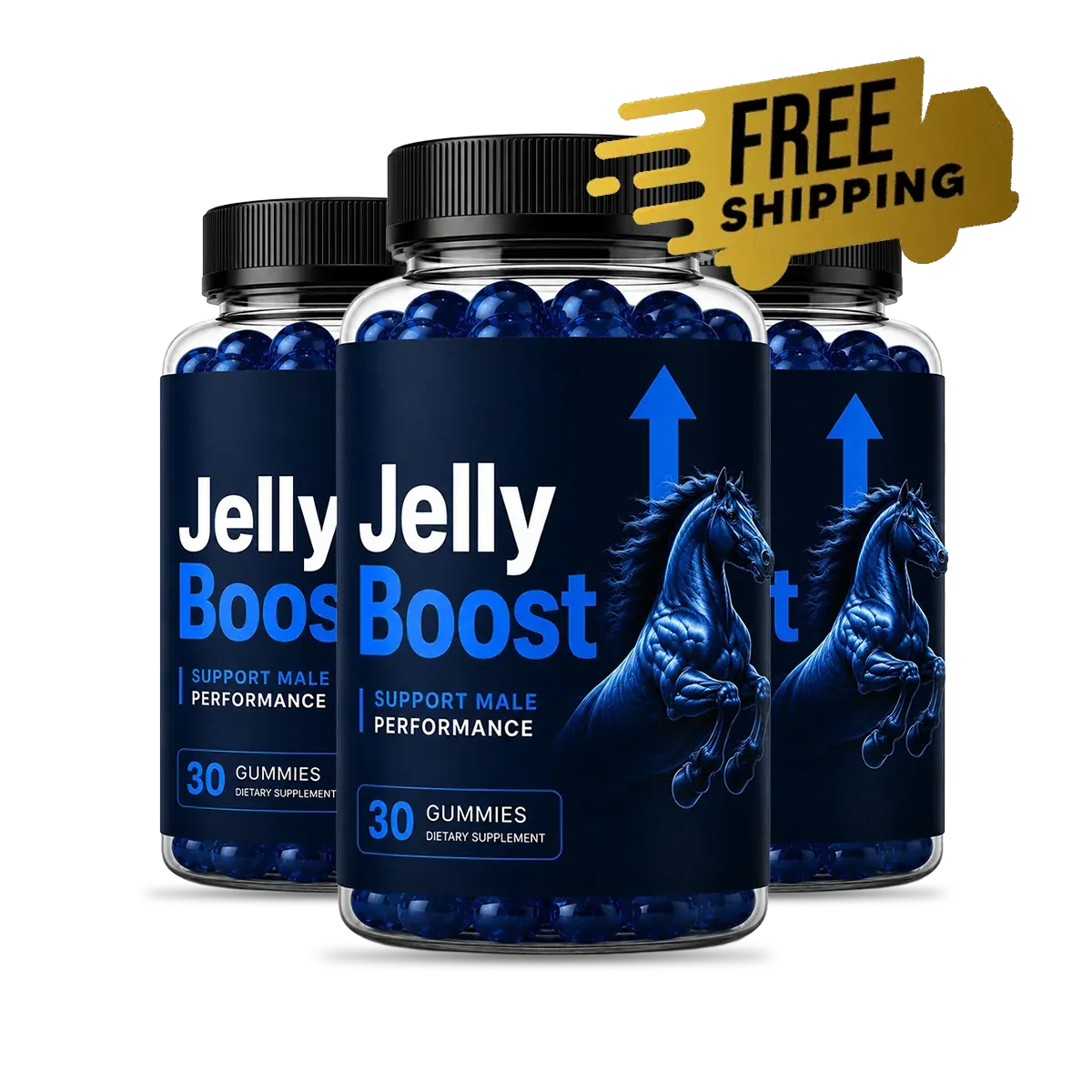
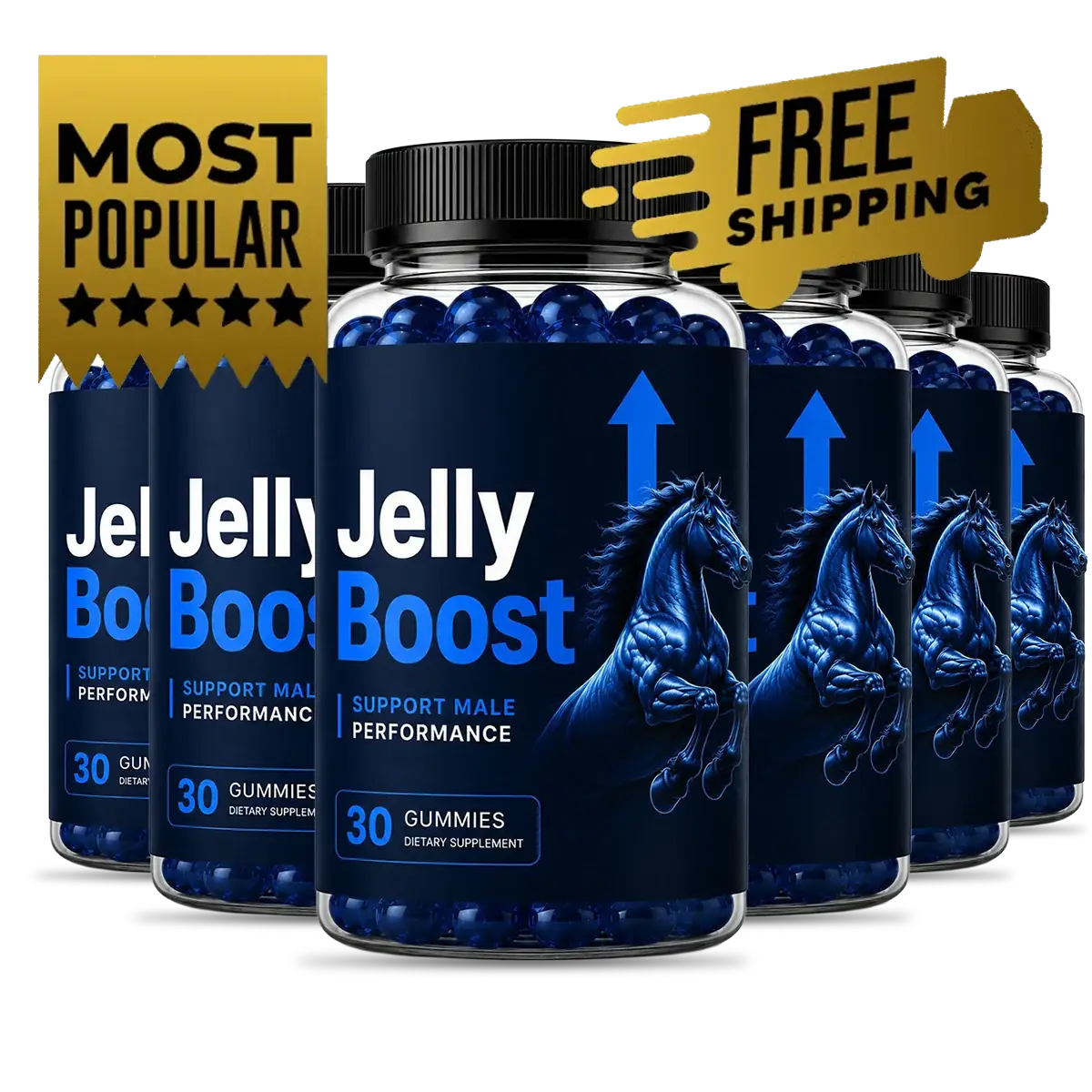
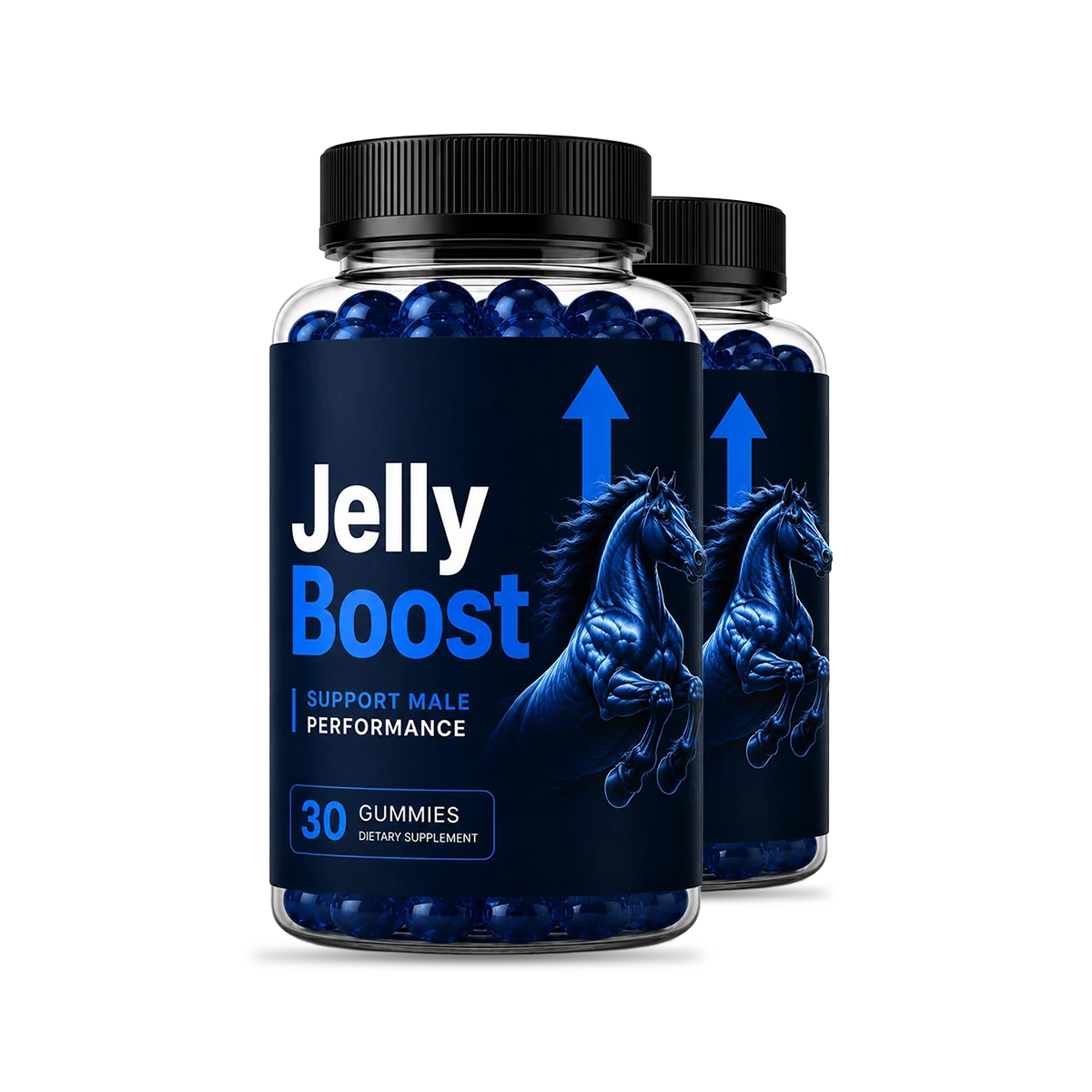
See the current JellyBoost pricing
Full label, all seven actives, and today’s official-store discount.
These statements have not been evaluated by the Food and Drug Administration. This product is not intended to diagnose, treat, cure or prevent any disease. Speak to a qualified healthcare professional before starting any supplement.