Tongkat Ali Standardisation: Why Eurycomanone % Beats Milligrams
Quick Answer: Why Standardisation Beats Milligrams
Two Tongkat Ali extracts both labelled 200 mg can differ several-fold in strength, because the milligram figure counts the extract, not the active compound inside it. Standardisation — the stated percentage of eurycomanone — is what tells you the real potency. Milligrams answer “how much”; standardisation answers “how strong”.
- Eurycomanone: the marker compound used to measure strength.
- The trap: equal milligrams can hide very unequal potency.
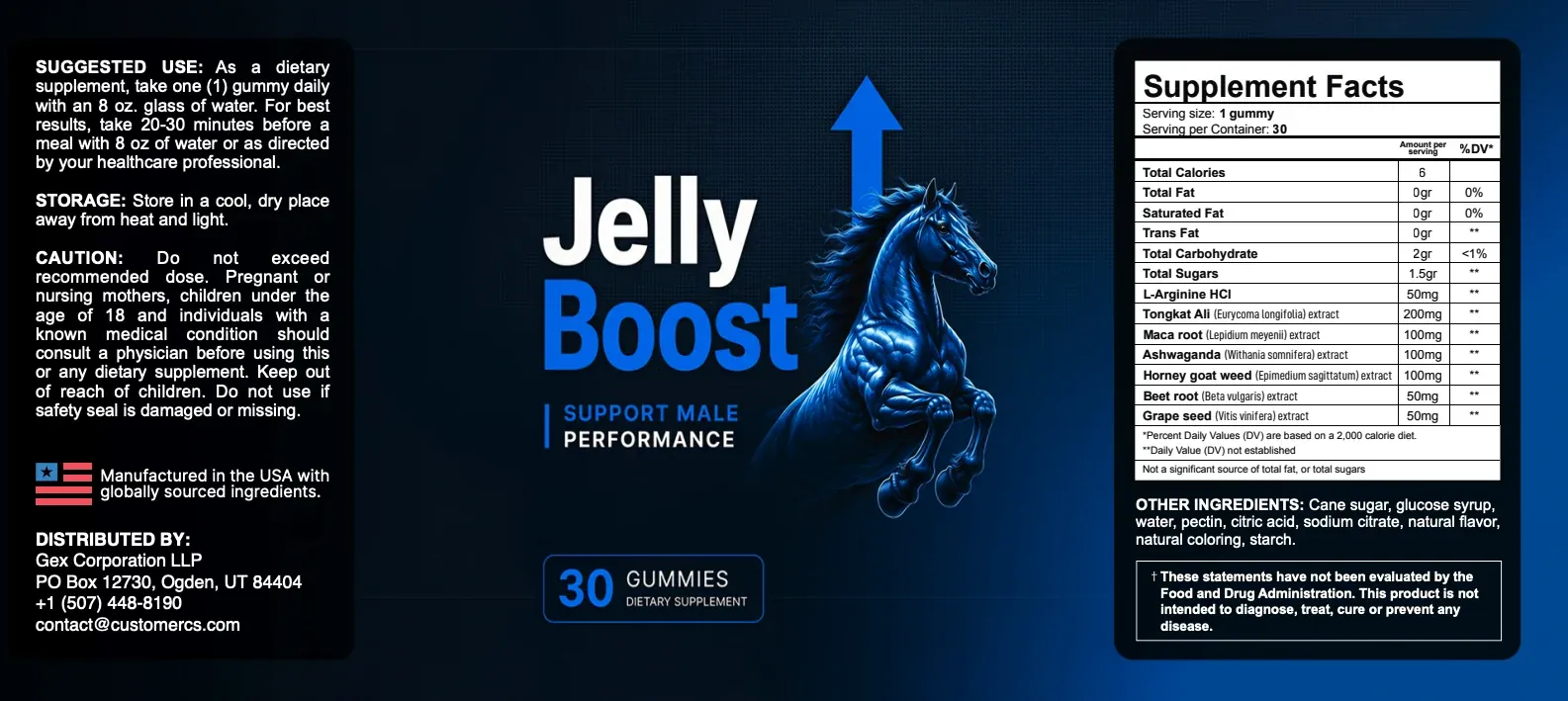
- On JellyBoost: 200 mg declared, no standardisation % stated.
The number that hides more than it shows
Milligrams feel reassuringly precise. A label says 200 mg of Tongkat Ali, you compare it with a rival's 200 mg, and it looks like a fair fight. It usually isn't. For a botanical extract, the milligram figure tells you how much powder is in the capsule — it says almost nothing about how much of the compound that actually does the work is inside that powder. Two products can print the identical number and deliver wildly different amounts of active Tongkat Ali chemistry.
This is not a Tongkat Ali quirk; it is true of every standardised botanical, from turmeric to ginseng. But it matters especially here because Tongkat Ali's benefits in human trials are tied to a specific fraction of the plant, and the gap between a strong extract and a weak one is large. If you take one thing from this article, take this: with herbal extracts, milligrams answer "how much material," and standardisation answers "how strong." You need both to read a label honestly.
What eurycomanone actually is
Tongkat Ali (Eurycoma longifolia) contains a family of bitter compounds called quassinoids. The most studied of them — and the one researchers use as the yardstick for potency — is eurycomanone. When scientists want to describe how strong a batch of extract is, they measure its eurycomanone content and express it as a percentage of the total weight.
So when a product says it is "standardised to 2% eurycomanone," it is making a concrete, checkable claim: two out of every hundred milligrams of that extract are the marker compound. A 200 mg dose of a 2% extract therefore supplies about 4 mg of eurycomanone. A 200 mg dose of a 0.8% extract supplies roughly 1.6 mg. Same milligrams on the label, two-and-a-half times the active fraction in the first product. That is the whole argument in one sum.
How two 200 mg extracts diverge
The divergence starts long before the powder reaches a bottle. It is set by how the raw root is processed. A few of the variables that move potency:
- Extraction method. Water extraction, ethanol extraction and specialised techniques pull different amounts of quassinoids out of the root, and yield different eurycomanone concentrations.
- Extract ratio. You will see figures like 50:1, 100:1 or 200:1. This describes how much raw root went into each unit of finished extract. A higher ratio is more concentrated raw material, though on its own it still does not guarantee a given eurycomanone level.
- Part of the plant and quality of the root. Mature root from the right species, properly identified, contains more of the active compounds than filler or adulterated material.
- Standardisation and testing. A reputable extract is assayed so the eurycomanone percentage is verified, not assumed.
Stack those variables and it is entirely possible for one 200 mg extract to carry several times the active compound of another. The label's headline number cannot see any of this. Only the standardisation figure can.
Picture two bottles side by side on a shelf, both proudly printing "200 mg Tongkat Ali." One is a well-characterised extract standardised to 2% eurycomanone; the other is a cheap, unstandardised powder that happens to test at well under 1%. The shopper comparing milligrams sees a tie. In reality the first bottle is delivering more than double the active fraction per dose, and it is the only one whose contents resemble what the human trials actually used. The price tags may even be reversed — the weaker product can cost the same or more, because nothing on its label forces an honest comparison. This is the entire reason the supplement industry can lean so hard on milligram figures: they look objective while quietly leaving out the one number that determines strength.
Why the trials used standardised extracts
This is not a theoretical worry. The published human studies that give Tongkat Ali its reputation — the work on fatigue, stress, mood and free testosterone — were mostly run on specific, standardised extracts with a known composition. When a study reports a benefit at "200 mg per day," that figure is only meaningful because it comes attached to a defined extract of a stated strength.
Lift the milligram number out of the study and staple it onto an unknown extract, and you have borrowed the credibility of the research without necessarily reproducing what it tested. That is the quiet sleight of hand in a lot of supplement marketing: cite the trial dose, match the milligrams, and stay silent on the standardisation that made the trial dose work. The number is real; the equivalence is not established.
How to read a label for standardisation
You are looking for one of a few phrases in the ingredient line or the fine print:
- A stated eurycomanone percentage — for example "standardised to 2% eurycomanone." This is the gold standard because it names the active fraction directly.
- An extract ratio such as 100:1 or 200:1, ideally paired with a eurycomanone figure. A ratio alone is a weaker signal than a percentage, but it is better than nothing.
- A branded, characterised extract with published specifications, which lets you look up exactly what you are getting.
If none of those appear — if all you have is a milligram figure — you are not being lied to, but you are being left to assume. Treat an unstandardised "200 mg Tongkat Ali" as an unknown strength: possibly excellent, possibly weak, impossible to tell from the label alone.
Where JellyBoost lands
JellyBoost's panel is transparent about quantity. It declares 200 mg of Tongkat Ali, the largest single active on the label, and it avoids the proprietary-blend trick that hides how much of each ingredient you get. That is worth crediting; a lot of competitors will not even tell you the milligrams.
What the panel does not state is a standardisation percentage or an extract ratio for that Tongkat Ali. So the honest read is the same one we would apply to any product in this position: 200 mg is a credible dose that sits inside the trial range, but without a eurycomanone figure you cannot confirm it matches the potency of the extracts used in research. That is not a knock specific to this brand — it is the norm across the gummy category — but it is exactly the kind of detail this site exists to point out. Milligrams tell you the quantity; only standardisation would tell you the strength.
The practical takeaway
Do not let a milligram figure end the conversation. When you compare Tongkat Ali products, hunt for the standardisation first and the dose second. A well-standardised 200 mg extract with a stated eurycomanone percentage is a stronger buy than an unlabelled 400 mg of unknown origin, even though the bigger number looks better on the shelf. And if a brand publishes neither a percentage nor a ratio, factor that uncertainty into the price you are willing to pay. The label is a document; read the part that actually describes the strength.
Frequently asked
What is a good tongkat ali standardization?
Most well-studied Tongkat Ali extracts are standardised to a stated percentage of eurycomanone, commonly in the region of 1 to 2 percent, or described by a water-extract ratio such as 100 to 1 with a listed eurycomanone content. The exact number matters less than the fact that a number is disclosed at all, because it lets you compare potency between products instead of guessing from milligrams.
Is 200 mg of tongkat ali enough?
It can be, but the milligram figure alone does not answer the question. 200 mg sits inside the range used in human trials, yet a 200 mg dose of a weakly standardised extract can deliver far less active compound than 200 mg of a well-standardised one. Without a stated eurycomanone percentage, 200 mg is a credible number rather than a guaranteed effective one.
What is eurycomanone?
Eurycomanone is the main quassinoid compound in Tongkat Ali and the marker researchers use to measure an extract's strength. When a product is standardised to a percentage of eurycomanone, the manufacturer is stating how much of that active fraction each dose contains, which is what makes one extract comparable to another.
Does JellyBoost list a standardization?
No. The JellyBoost panel declares 200 mg of Tongkat Ali, which is a transparent milligram figure and the largest single active on the label, but it does not state a eurycomanone percentage or an extract ratio. That is common across the category, and it means the milligram number tells you the quantity of extract but not its potency.
Related reading
- Tongkat Ali dosage: what 200 mg actually buys you
- JellyBoost ingredients explained: the full label, one page
- Do testosterone booster supplements actually work?
- How to read a men's supplement label
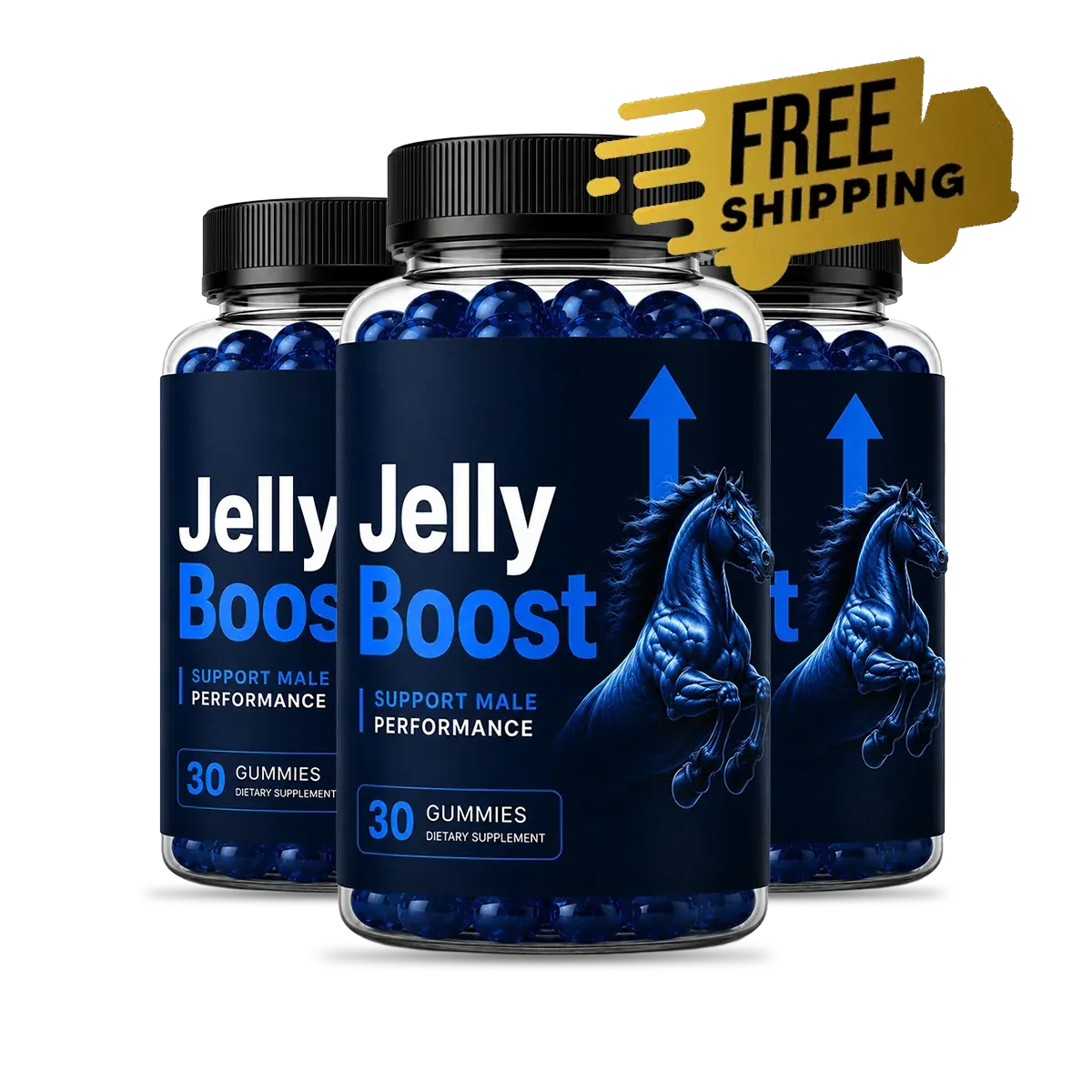
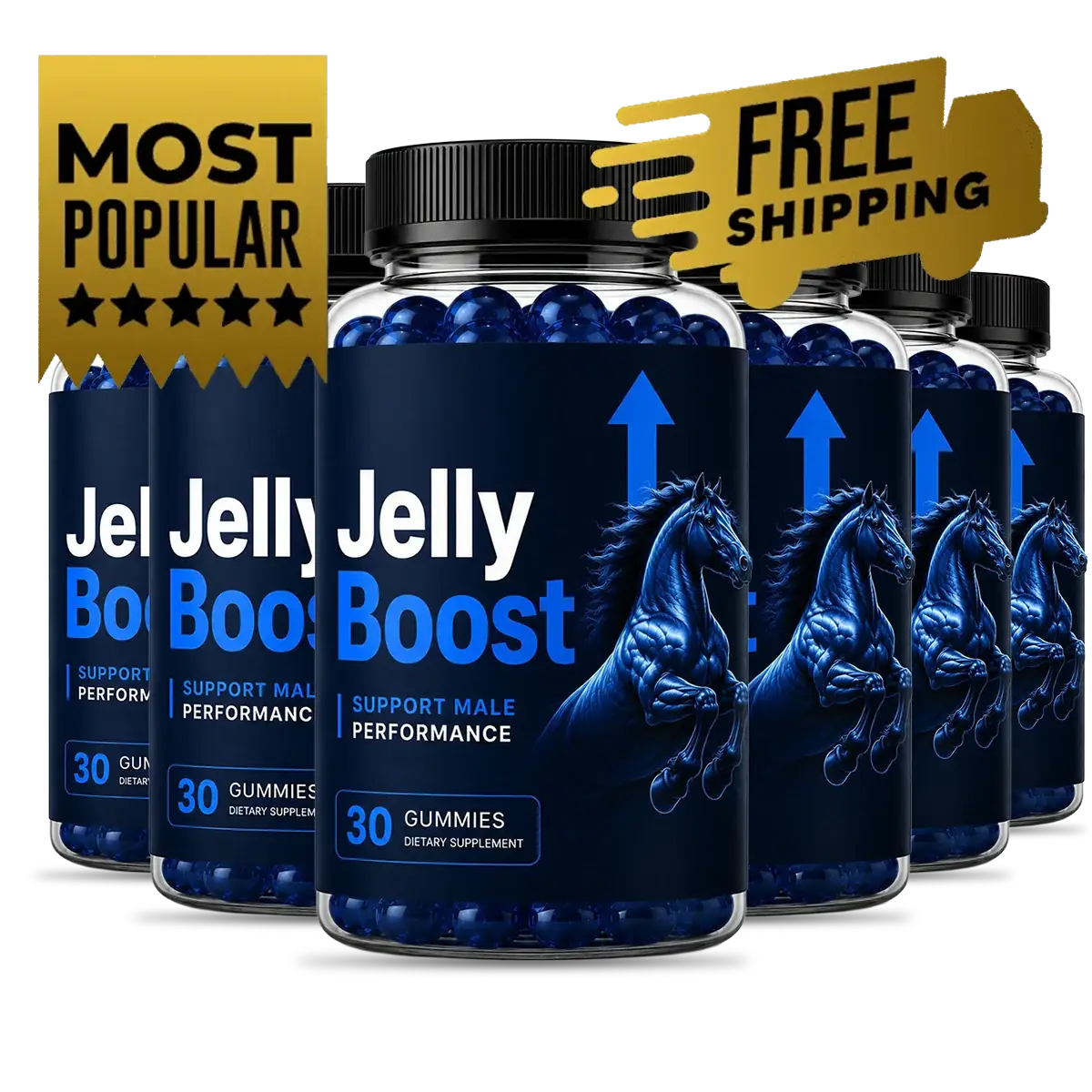
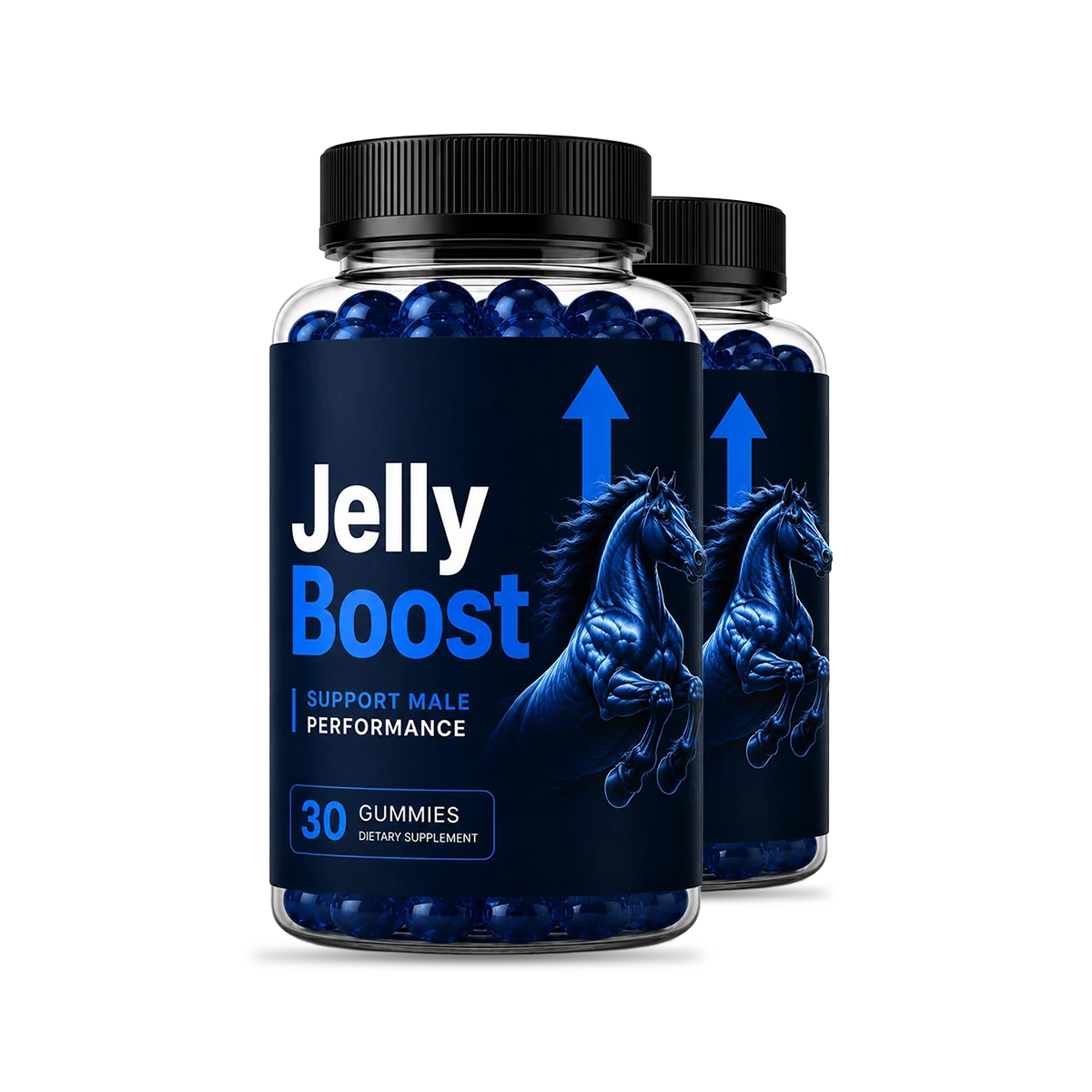
See the current JellyBoost pricing
Full label, all seven actives, and today’s official-store discount.
These statements have not been evaluated by the Food and Drug Administration. This product is not intended to diagnose, treat, cure or prevent any disease. Speak to a qualified healthcare professional before starting any supplement.