How to Increase Stamina and Energy for Men Over 40
Quick Answer: How Do Men Over 40 Get Their Stamina Back?
Fatigue after 40 is rarely one thing. Sleep debt, a slow decline in testosterone, unfit mitochondria, chronic stress and hidden deficiencies in iron or vitamin D usually stack together. The fix stacks too: protect sleep first, train with zone-2 cardio plus resistance work, eat for blood flow, and get blood work done.
- Biggest lever: seven to nine hours of real sleep — most daytime energy is decided overnight.
- Train both engines: zone-2 cardio for endurance, resistance work for hormones.
- Cheap wins: rule out low iron, vitamin D and thyroid with a blood panel.

Why am I so tired at 40?
The honest answer is that it is almost never a single cause, which is exactly why the tiredness feels so stubborn. Several ordinary changes arrive around the same decade and quietly compound. Testosterone drifts down by roughly one per cent a year from the early thirties, so by your forties the cushion is thinner. Aerobic fitness and the density of your mitochondria — the little engines that turn food and oxygen into usable energy — fall fastest in people who have stopped training hard. Add a couple of decades of accumulated sleep debt, a heavier stress load from work and family, and it is no surprise the tank empties by mid-afternoon.
On top of that sit the quiet deficiencies that mimic ageing. Low iron or ferritin will flatten you even with normal haemoglobin. Vitamin D runs low in a large share of men, especially through winter, and deficiency is linked with both fatigue and lower testosterone. An underactive thyroid does a convincing impression of "just getting old." None of these announce themselves — they show up as the vague sense that you used to have more in the tank. The upside of a multi-factor problem is that no single fix has to do everything; a handful of modest improvements stack into a real difference.
Fix sleep first — it is the master lever
If you only change one thing, change your sleep. Most of the day's energy is decided the night before, and short sleep hits men on two fronts at once: it drops next-day alertness and it suppresses the overnight testosterone production that partly drives your baseline drive and recovery. Studies restricting healthy young men to around five hours a night have measured daytime testosterone falling by roughly ten to fifteen per cent within a week — the kind of drop that otherwise takes a decade of ageing.
Aim for a consistent seven to nine hours with a fixed wake time, a cool dark room, and a hard cut-off on late alcohol and screens. If you snore heavily or wake unrefreshed no matter how long you spend in bed, get screened for sleep apnea; it is one of the most overlooked energy and hormone thieves in men over 40. We go deeper on the mechanism in our guide to sleep and testosterone.
Train both energy systems
Stamina is not one quality, it is two, and men over 40 tend to neglect both in different ways. The first is your aerobic base — the endurance engine you build with easy, conversational "zone-2" cardio: brisk walking, cycling or rowing at a pace where you could still talk in sentences, for thirty to sixty minutes a few times a week. This is the training that actually grows mitochondria and improves how efficiently you use oxygen, which is what "having more stamina" feels like in daily life.
The second is strength. Resistance training two or three times a week defends the muscle mass you naturally lose with age, improves insulin sensitivity so your energy is steadier, and provides an acute, healthy stimulus to testosterone. You do not need to train like an athlete — a few compound movements taken close to effort, progressed slowly, does most of the work. The combination of easy cardio and hard-ish lifting beats either alone. For the hormonal side of this, see exercise and testosterone.
Eat for blood flow and steady fuel
Endurance is partly a plumbing problem: how well blood, and therefore oxygen, reaches working muscle. Dietary nitrates — found in beet root and leafy greens — are converted by the body into nitric oxide, which relaxes blood vessels and improves flow. In trials, nitrate-rich beet root juice has modestly improved exercise economy and time to exhaustion, which is why it turns up on endurance-athlete menus and on men's-vitality labels alike. You can read how that pathway works in beet root, nitrates and blood flow.
Beyond nitrates, the basics matter more than any single food. Enough protein to protect muscle (roughly 1.6 grams per kilogram of body weight if you are training), meals that do not spike and crash your blood sugar, and honesty about alcohol and added sugar — both of which blunt sleep, recovery and testosterone. Steady fuel gives you steady energy; a diet built on refined carbs gives you a rollercoaster and calls the crash "getting older."
Manage the stress load
Chronic stress keeps cortisol elevated, and sustained high cortisol works against testosterone while leaving you wired-but-tired — unable to switch off at night, foggy by day. It is one of the least glamorous drags on male energy and drive, and it rarely gets treated as a physiological problem. It is one. Daily decompression that genuinely lowers your arousal — a walk without your phone, breathing drills, time outdoors, protected downtime — pays back in energy you can actually feel. Adaptogens such as ashwagandha have the strongest human evidence on this panel for blunting the stress response, which is why they earn a place alongside the lifestyle work rather than instead of it.
Get the blood work that rules out the cheap wins
Before you assume the tiredness is "just age," rule out the fixable. A simple panel with your doctor can check ferritin and a full blood count for low iron, vitamin D, thyroid function (TSH), fasting glucose or HbA1c, and testosterone. One rule matters for that last one: draw testosterone in the morning, ideally before around 10am, because levels naturally peak early and fall through the day — an afternoon reading can look falsely low. If a deficiency turns up, correcting it is often the single biggest, fastest energy win available, and no supplement stack substitutes for it. In one year-long study, correcting low vitamin D with roughly 3,300 IU daily raised testosterone by about 20 per cent — a reminder that "supplement" and "deficiency correction" are not the same thing.
Watch the stimulant trap
When energy dips, the instinct is to reach for more caffeine, and there is nothing wrong with a coffee or two. The problem is using stimulants to paper over a deficit that keeps growing underneath. Caffeine masks fatigue rather than resolving it, and taken late in the day it eats into the very sleep that would actually restore you — so you wake more tired, drink more coffee, and the spiral tightens. Energy drinks compound the issue with sugar, delivering a spike and a crash that feels like even lower stamina an hour later.
A simple rule keeps caffeine on your side: enjoy it early, cut it off by early afternoon so it clears before bed, and treat it as a top-up on a rested system, not a substitute for one. If you genuinely cannot function without steadily escalating doses, that is a signal to look at sleep and the deficiencies above, not to add another scoop. Real, durable stamina comes from fixing the base — stimulants are best used to sharpen a good day, not rescue a bad one.
Where a formula like JellyBoost fits
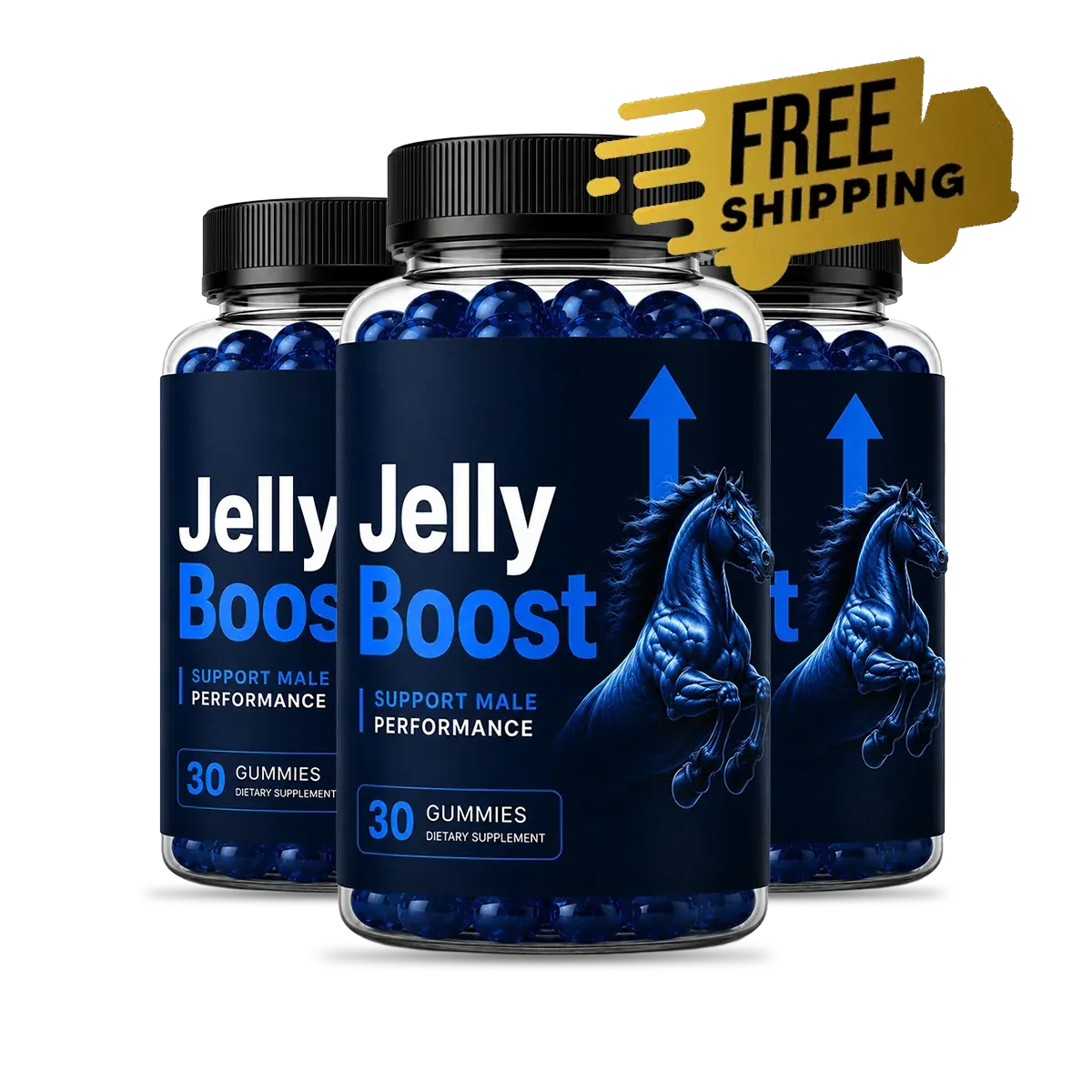
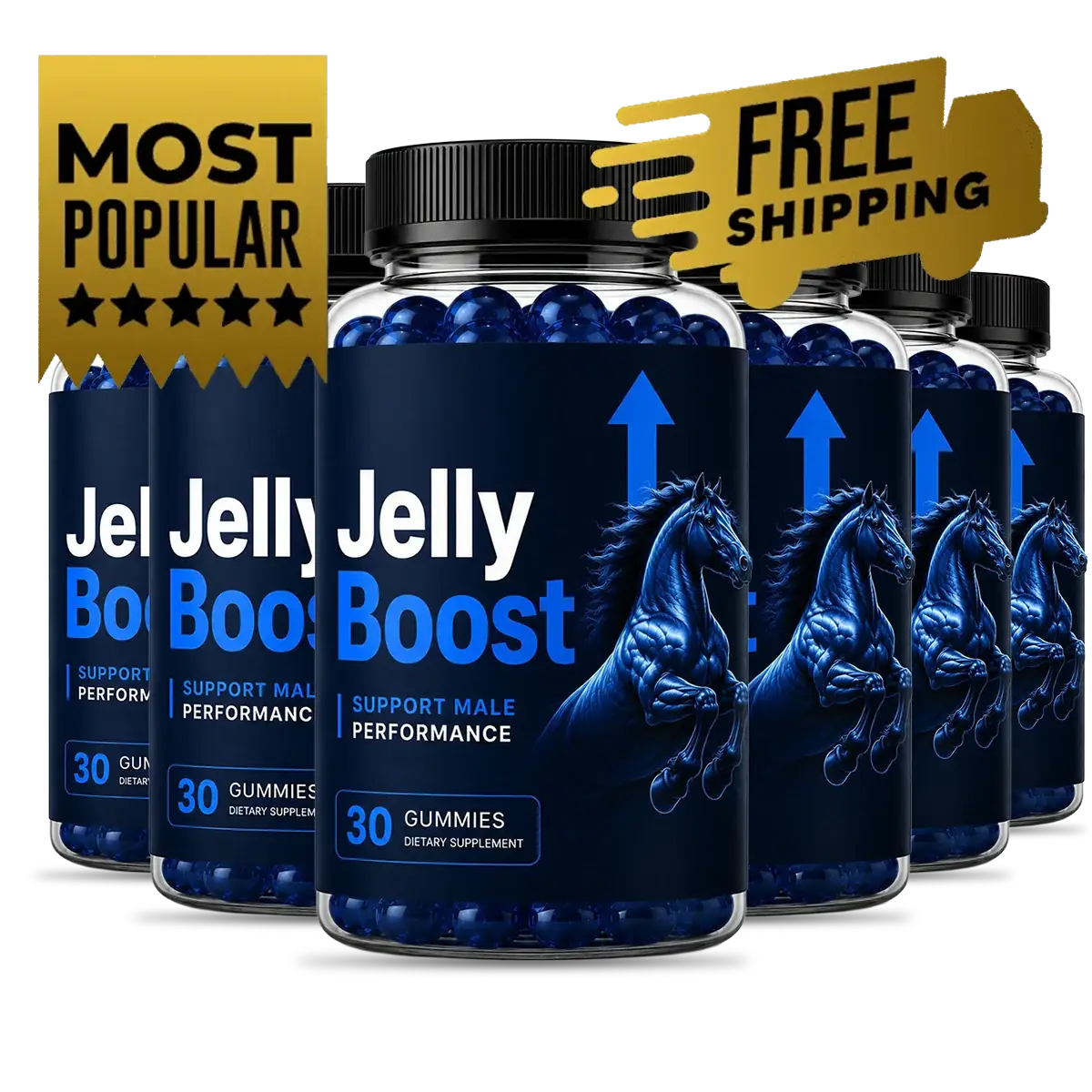
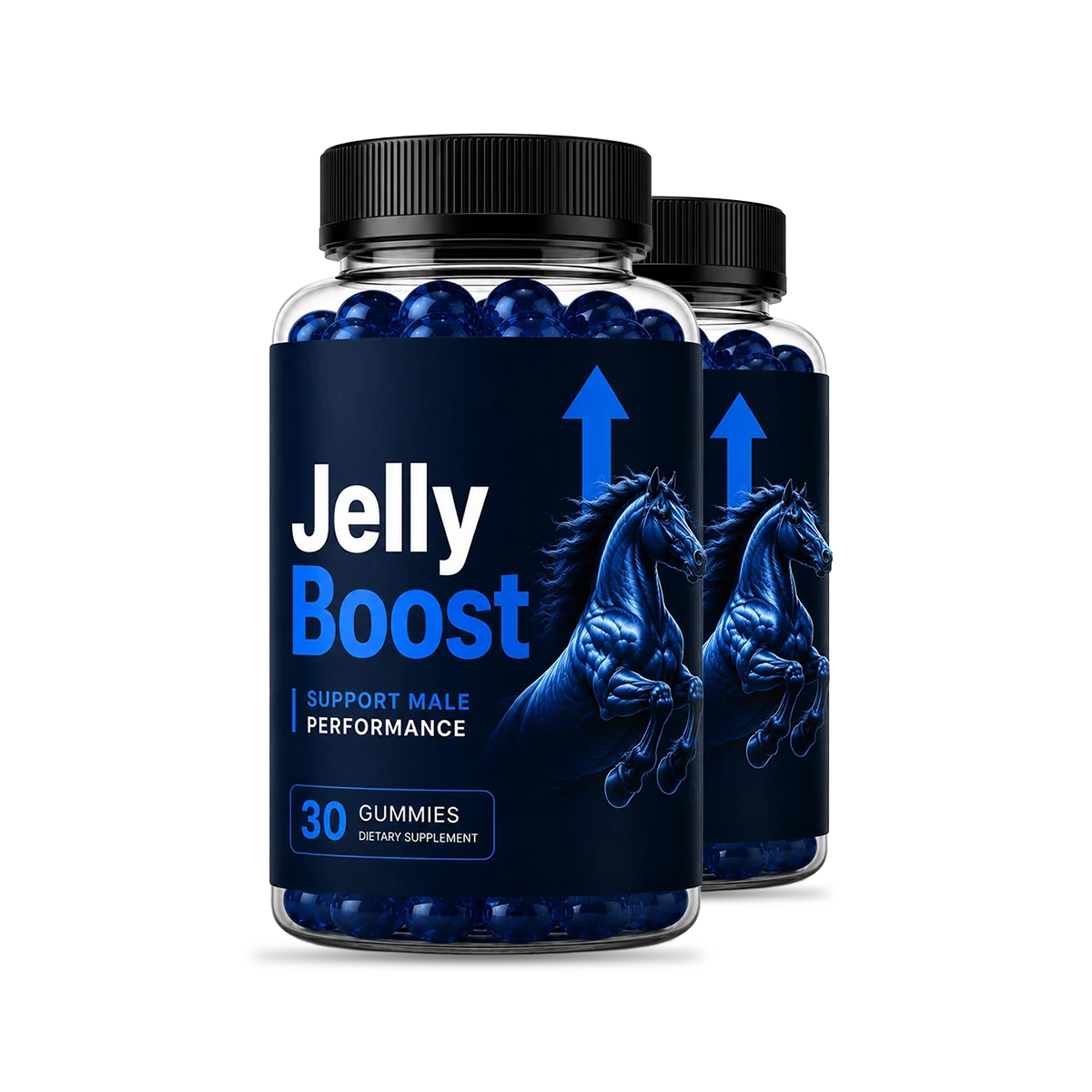
Once sleep, training, food and stress are handled, a support formula can sit on top — not underneath — the basics. JellyBoost pairs adaptogens with human fatigue and stress data (tongkat ali, ashwagandha), a non-hormonal libido and wellbeing ingredient (maca), and the beet root nitrates that feed the same blood-flow pathway your cardio is training. That is a sensible supporting cast for an over-40 energy plan, provided you read it as support. It will not out-run a five-hour sleep habit or an untreated deficiency, and the honest doses matter: some ingredients on any label sit below their studied range. For the full breakdown, see our JellyBoost ingredients explained hub.
Related reading
- JellyBoost ingredients explained: the full formula
- Sleep and testosterone: the overlooked lever
- Beet root, nitrates and blood flow
- Exercise and testosterone: what actually moves it
Frequently asked
Why am I so tired at 40?
Usually more than one reason at once. Sleep debt, a gradual fall in testosterone, less aerobic fitness, chronic stress and low iron or vitamin D tend to stack together. That is good news, because several small fixes add up faster than chasing one magic cause.
How can a man get more energy and stamina?
Start with sleep, then add training that builds both engines - easy zone-2 cardio for endurance and resistance work two or three times a week. Eat for steady blood sugar and blood flow, keep alcohol modest, and manage stress. Consistency over weeks beats any single hack.
Do supplements help stamina?
They can support the basics but never replace them. Dietary nitrates from beet root support blood flow, ashwagandha can blunt the stress response, and adaptogens like tongkat ali have fatigue data - but only once sleep, training and diet are already in place.
How long does it take to feel more energetic?
Sleep changes can be felt within days. Fitness and blood-flow gains from training and nutrition usually show over four to eight weeks, and supplement effects build over a similar few weeks of daily use rather than overnight.
See the current JellyBoost pricing
Full label, all seven actives, and today’s official-store discount.
These statements have not been evaluated by the Food and Drug Administration. This product is not intended to diagnose, treat, cure or prevent any disease. Speak to a qualified healthcare professional before starting any supplement.