Morning Testosterone: Why Levels Peak Early and How to Use It
Quick Answer: When Is Testosterone Highest?
Testosterone follows a daily rhythm and is highest in the early morning, shortly after waking, then drifts to its lowest in the evening. Overnight sleep drives that morning peak, which is why blood tests are drawn before about 10am. Use the rhythm: protect sleep, and train or connect when energy is naturally high.
- Peak timing: early morning — the swing can reach 30–50% across the day.
- The driver: sleep quality, especially the hours before dawn.
- Testing rule: draw blood between 7–10am after a normal night.

The daily rhythm behind male hormones
Testosterone is not a flat, steady number. In healthy men it rises and falls on a roughly 24-hour cycle, controlled by the brain's master clock and closely tied to sleep. Levels climb overnight, reach their high point in the early morning within an hour or two of waking, then taper across the day to a low in the evening. In younger men the difference between the morning peak and the evening trough can be 30 to 50 per cent — a genuinely large swing. The rhythm flattens somewhat with age, which is one reason it matters more, not less, that older men pay attention to when they measure and when they act.
This is worth internalising because it reframes a lot of anxiety about "low testosterone." A single reading taken at the wrong time of day tells you very little. The number you have at 8am and the number you have at 6pm can look like two different men, and neither is lying — they are just two points on the same daily curve.
Why does testosterone peak in the morning?
The short version: sleep builds it. The brain releases hormone signals in pulses through the night — luteinising hormone from the pituitary tells the testes to produce testosterone — and these pulses intensify through the sleeping hours, especially the deeper and REM-rich stages that cluster before dawn. By the time you wake, that overnight production has stacked up into the daily high. This is why the morning peak is best thought of as the visible output of a good night's sleep rather than a quirk of the clock on its own.
It also explains why the peak is so easy to blunt. Cut sleep short, fragment it with alcohol or a noisy environment, or leave sleep apnea untreated, and you interrupt exactly the process that generates the morning high. The rhythm is real, but it is not automatic; it is earned in the eight hours before you open your eyes.
What time should I test testosterone?
Because of the rhythm, the guidance from endocrinology bodies is consistent: measure testosterone in the morning, ideally between about 7am and 10am, after a normal night's sleep and usually fasting. A blood draw in the afternoon can read meaningfully lower and push an otherwise normal man toward an unnecessary "low T" label — or toward treatment he does not need. If your first morning result is low, the standard practice is to repeat it on a separate morning before drawing any conclusion, because day-to-day variation and a single poor night's sleep can both distort one reading.
The practical takeaway: if you are getting tested, book the earliest appointment you can, sleep normally the night before, and do not judge yourself on one number. For the broader picture of what actually moves the baseline, see how to increase testosterone naturally.

How to actually use the morning peak
Knowing the rhythm exists is only useful if you build around it. A few practical moves:
- Front-load demanding work and training. Many men find focus, drive and willingness to train are highest in the first half of the day. If your schedule allows, put your hardest session or hardest cognitive work into that window rather than fighting the evening slump.
- Notice, don't panic about, the evening dip. Feeling flatter by night is normal physiology, not necessarily a problem to be supplemented away.
- Respect morning drive. Higher morning testosterone is part of why libido often runs higher early in the day; there is nothing to fix there.
- Guard your wake time. A consistent wake time anchors the whole circadian system, which keeps the peak sharp and predictable.
None of this requires rearranging your life. It is mostly a matter of stopping the fight against your own clock — and, above all, protecting the sleep that produces the peak in the first place.
A note on morning erections
Many men notice they wake with an erection, and it is reasonable to ask whether it is connected to the morning testosterone high. The two are related but not the same thing. Nocturnal and early-morning erections are driven mainly by the sleep cycle — they cluster around REM sleep, several times a night — and reflect that the nerves and blood vessels involved are doing their job. The morning hormone peak sits alongside that as part of the same well-rested physiology rather than being its sole cause.
Where this becomes useful is as a rough, informal signal rather than a diagnosis. A consistent absence of morning or nocturnal erections, especially alongside low drive and fatigue, is one of the things worth mentioning to a doctor, because it can point to sleep, vascular or hormonal issues that deserve a proper look. It is not something to self-diagnose from, and it is not evidence any supplement is or is not "working." Treat it as one more reason the quality of your nights shows up in the quality of your mornings.
Does morning exercise boost testosterone?
Resistance training produces a short-lived rise in testosterone whenever you do it, morning or evening, so the acute hormonal bump is not exclusive to sunrise workouts. What morning training does offer is alignment: you exercise when energy and hormones are naturally higher, which for many men means better sessions and better adherence. But the honest framing is that the exact hour matters far less than two things — training consistently over months, and sleeping well enough to recover. Chasing a "testosterone window" is a distraction if the base habits are missing. We cover the training side in depth in exercise and testosterone.
Does the morning peak flatten with age?
Yes, and this is one of the more useful things to understand about ageing hormones. In young men the daily curve is steep — a high, distinct morning peak falling to a clear evening trough. As men move through their forties, fifties and beyond, the rhythm tends to dampen: the morning high is less pronounced and the difference between morning and evening narrows. This is a normal part of the picture rather than a disease in itself, but it has two practical consequences worth knowing.
First, it makes accurate testing even more important. When the peak is already blunted, an ill-timed afternoon blood draw can push an older man into a "low" reading that a proper morning test would not support — and potentially toward treatment he does not need. Second, it raises the value of the habits that protect the rhythm in the first place. The flattening of the curve is accelerated by exactly the things this site keeps returning to: poor sleep, carrying excess weight, chronic stress and heavy drinking. Men who keep those in check tend to preserve a healthier daily rhythm for longer. In other words, the morning peak is not purely a matter of the calendar — how you live moves the curve too, which is quietly encouraging.
Where sleep and support fit
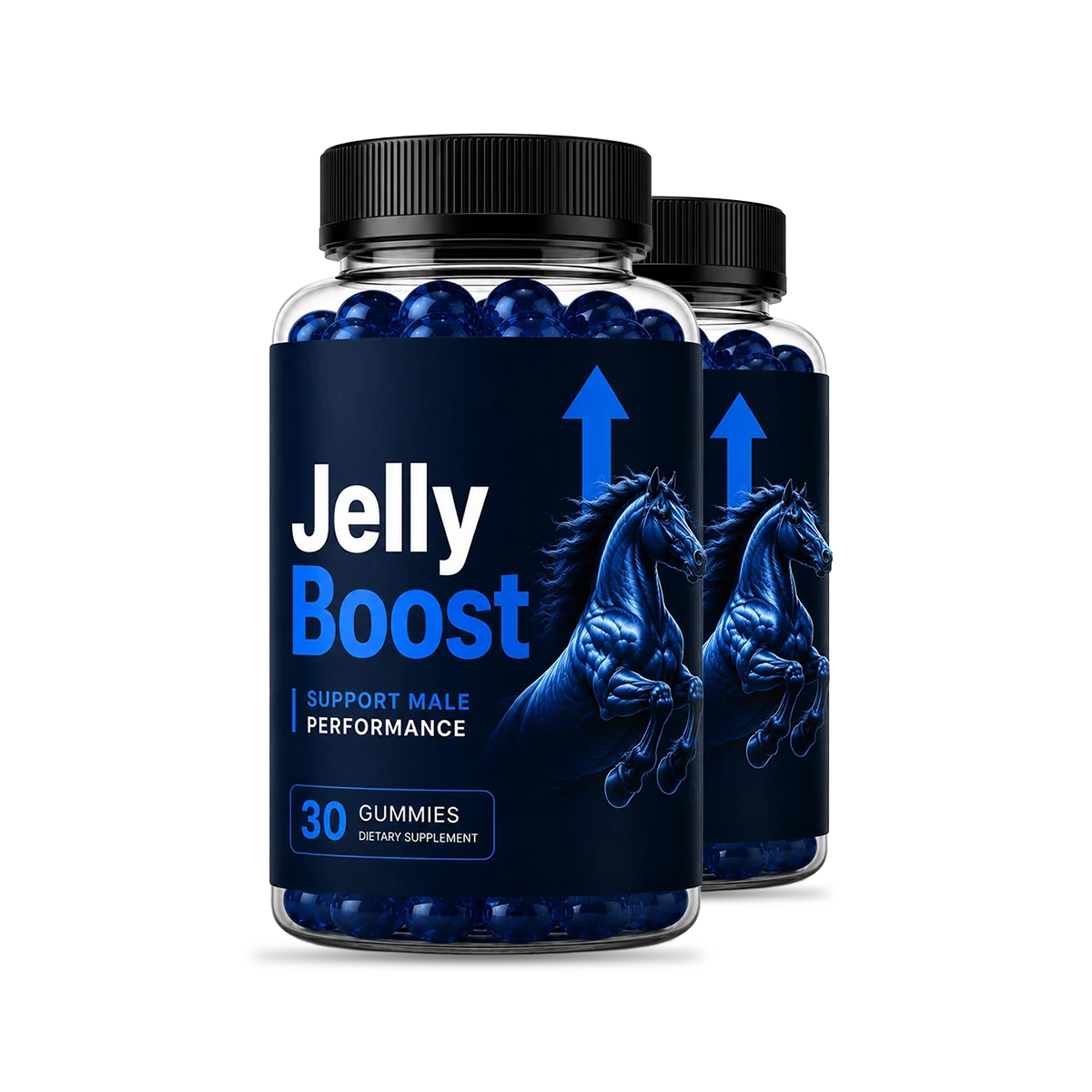
If the morning peak is downstream of sleep, then sleep is the lever that changes the whole curve — not a supplement. Short sleep of five to six hours can pull daytime testosterone down by roughly 10 to 15 per cent, which is a direct hit to the peak this whole article is about. Fix that first; our sleep and testosterone guide covers the how. A support formula sits on top of good sleep, not in place of it: JellyBoost pairs adaptogens with human stress and fatigue data (ashwagandha, tongkat ali) and non-hormonal libido support (maca), which can complement a rhythm-friendly routine. Read it as support and check the doses — our ingredients explained hub breaks down what each active is realistically doing.
Related reading
- JellyBoost ingredients explained: the full formula
- Sleep and testosterone: the overlooked lever
- How to increase testosterone naturally
- Exercise and testosterone: what actually moves it
Frequently asked
When is testosterone highest?
In most men testosterone is highest in the early morning, shortly after waking, and drifts to its lowest point in the evening. The swing can be 30 to 50 per cent across the day in younger men, which is why the time of a blood test matters so much.
Why does testosterone peak in the morning?
It follows the body's circadian rhythm and is tied closely to sleep. Overnight sleep, especially the deeper and REM stages before dawn, drives the pulses of hormone signalling that lift testosterone to its morning peak. Broken or short sleep blunts that peak.
What time should I test testosterone?
Have blood drawn in the morning, ideally between about 7am and 10am, after a normal night's sleep. Testing later in the day can read falsely low and lead to a wrong conclusion. If a first result is low, doctors usually repeat it on another morning.
Does morning exercise boost testosterone?
Resistance training gives a short-lived rise in testosterone whenever you do it, and training in the morning lets you work when energy and hormones are naturally higher. The bigger long-term driver is training consistently and sleeping well, not the exact hour on the clock.
See the current JellyBoost pricing
Full label, all seven actives, and today’s official-store discount.


These statements have not been evaluated by the Food and Drug Administration. This product is not intended to diagnose, treat, cure or prevent any disease. Speak to a qualified healthcare professional before starting any supplement.