How to Boost Libido Naturally in Your 40s and 50s
Quick Answer: How Do You Boost Libido Naturally After 40?
Work the drivers underneath desire, because in midlife they stack. Improve blood flow with cardio and dietary nitrates, lower chronic stress and cortisol, sleep seven to nine hours, lift weights to support testosterone, and cut excess alcohol. Evidence-backed herbs — maca for desire, Tongkat Ali for drive — help on top of those basics, not instead of them.
- Why it dips: slowly falling testosterone, stiffer blood vessels, stress and sleep debt combined.
- Biggest levers: circulation, cortisol, sleep, resistance training.
- See a doctor if: low desire is persistent or comes with erectile problems — that can flag heart health.

A slow dip in sex drive through your forties and fifties is common, but "common" is not the same as "nothing you can do about it." The reason it feels stubborn is that several changes tend to arrive together, and each one reinforces the others. Understand what is actually happening and the levers become obvious — and most of them are the same habits that keep the rest of you healthy.
Why libido dips in midlife — the four things stacking up
Testosterone drifts down. From roughly age 30, male testosterone falls about 1–2% a year. That is gradual, but by your late forties it can be enough to take the edge off desire, energy and morning erections.
Blood vessels change. Erections and arousal are fundamentally about blood flow. With age, and with any creeping blood pressure, cholesterol or blood-sugar issues, vessels become less responsive and nitric-oxide signalling weakens. Circulation is often the real bottleneck, not hormones.
Stress and cortisol climb. Career and family peak in these decades, and chronic stress keeps cortisol elevated, which sits on a seesaw with testosterone and blunts desire directly.
Sleep debt accumulates. Testosterone is made largely during sleep, and midlife is when sleep quality tends to slide — less deep sleep, more waking, sometimes undiagnosed sleep apnoea. Each of these alone is modest; together they explain most age-related libido loss.
The natural levers that actually help
1. Improve blood flow
Since arousal and erections depend on circulation, blood flow is often the highest-yield place to start. Regular cardiovascular exercise keeps arteries responsive and supports the nitric-oxide pathway that widens blood vessels. Dietary nitrates — from beetroot and leafy greens — feed the same pathway, and beetroot is a well-studied way to nudge it. If circulation is your limiting factor, this is where you will feel the difference first; the deeper mechanics are covered in our guide to improving blood flow for better erections.
2. Lower cortisol and chronic stress
Because stress hormones actively suppress desire, managing them is not a soft, optional extra — it is one of the core levers. Regular aerobic exercise, time outdoors, breathing practices, and genuinely protecting downtime all help bring cortisol back down. The adaptogen ashwagandha has the strongest human evidence of the botanicals here for lowering cortisol and perceived stress. See stress, cortisol and male sex drive for the full picture.
3. Fix your sleep
Seven to nine hours, on a consistent schedule, is the least glamorous and most reliable libido lever there is — because it is where testosterone is actually produced. If you snore heavily or wake unrefreshed, get screened for sleep apnoea, which is strongly linked to both low testosterone and low desire.
4. Lift weights
Resistance training supports testosterone, builds the lean mass and insulin sensitivity that keep hormones healthy, and improves body image and confidence — all of which feed desire. Two to four sessions a week focused on compound movements is plenty. Overtraining without recovery backfires, so build in rest.
5. Trim the obvious headwinds
Excess alcohol suppresses testosterone and dulls arousal; carrying extra visceral fat raises the aromatase activity that converts testosterone to estrogen. You do not need perfection — pulling back from daily drinking and losing some belly fat removes two real drags at once.

6. Consider evidence-backed herbs
Herbs are the last lever, useful after the basics are in place. Two have the most credible human data for this specific goal. Maca has the broadest evidence base for libido in both men and women and, notably, works on desire itself rather than raising testosterone — typical study doses run 1,500–3,000 mg/day, with benefits building over several weeks. Tongkat Ali (200–400 mg/day) has trials on drive, fatigue and free testosterone. Horny goat weed is popular and its active compound icariin has interesting effects on the nitric-oxide pathway, but the human evidence is mostly preclinical, so keep expectations modest. For how these sit inside a real formula, see the maca dose and timeline guide and the full ingredient breakdown.
Rule out the common reversible culprits
Before assuming your libido dip is "just age," it is worth ruling out the everyday causes that hide in plain sight, because several are quick to fix. Medications are near the top of the list: some blood-pressure drugs, antidepressants (particularly SSRIs), and finasteride for hair loss can blunt desire or erections — never stop a prescription yourself, but do raise it with your doctor, as alternatives often exist. Alcohol is the classic double agent, promising relaxation while suppressing testosterone and dulling arousal. Psychological load matters as much as the physical: performance anxiety, relationship strain, low mood and burnout all reduce desire, and they respond to attention rather than to more supplements. There is also a modern culprit worth naming honestly — heavy use of online pornography can, for some men, blunt real-world responsiveness, and a reset can help. None of these is a moral failing; they are simply common, fixable inputs. Working through them first often does more than any pill, and it tells you whether what remains is genuinely hormonal or vascular.
A realistic timeline
Set expectations. Sleep and stress changes can shift how you feel within a week or two. Blood-flow habits and maca tend to build over three to six weeks. Fat loss and training work over months. None of this is a switch you flip — it is a slope you climb, and consistency matters more than intensity. If you have been running on empty for years, the first thing many men notice is energy and morning erections returning, with desire following.
When to see a doctor
Natural levers are the right first move for a gradual dip, but some patterns deserve medical attention. See a doctor if low libido is persistent, came on suddenly, or arrives alongside erectile difficulty, marked fatigue, low mood, or poor sleep. This matters for a reason beyond the bedroom: persistent erectile dysfunction is a recognised early warning sign of cardiovascular disease, because the small penile arteries show trouble before the larger coronary ones do. It can also flag low testosterone, thyroid issues, diabetes or medication side effects — all of which are treatable once identified. Supplements are not a substitute for that check.
Related reading
- JellyBoost ingredients explained: what each active actually does
- Maca root for men: dose, timeline and what to expect
- Stress, cortisol and male sex drive: the hidden lever
- Natural ways to improve blood flow for better erections
Frequently asked
Why does libido drop with age?
It is rarely one thing. From your forties, testosterone drifts down about 1 to 2 percent a year, blood vessels stiffen so blood flow is less brisk, and stress, poor sleep, medication and rising body fat all stack on top. Because these factors compound, the fix is usually several small levers rather than one magic bullet.
How can a man boost libido naturally?
Work on the drivers underneath it: improve blood flow with cardio and dietary nitrates, lower chronic stress and cortisol, get seven to nine hours of sleep, lift weights to support testosterone, and cut excess alcohol. Evidence-backed herbs like maca for desire and Tongkat Ali for drive can help on top of those basics, not instead of them.
Which herbs help libido?
Maca has the broadest evidence for improving sexual desire in men and women, and works on desire rather than testosterone directly at around 1,500 to 3,000 mg a day. Tongkat Ali has trials on drive, fatigue and free testosterone at 200 to 400 mg. Horny goat weed is popular but its evidence is mostly preclinical, so keep expectations modest.
When should I see a doctor about low libido?
See a doctor if low desire is persistent, came on suddenly, or comes with erectile difficulty, fatigue, low mood or poor sleep. Persistent erectile problems in particular can be an early warning sign of cardiovascular disease, so they are worth investigating rather than only self-treating with supplements.
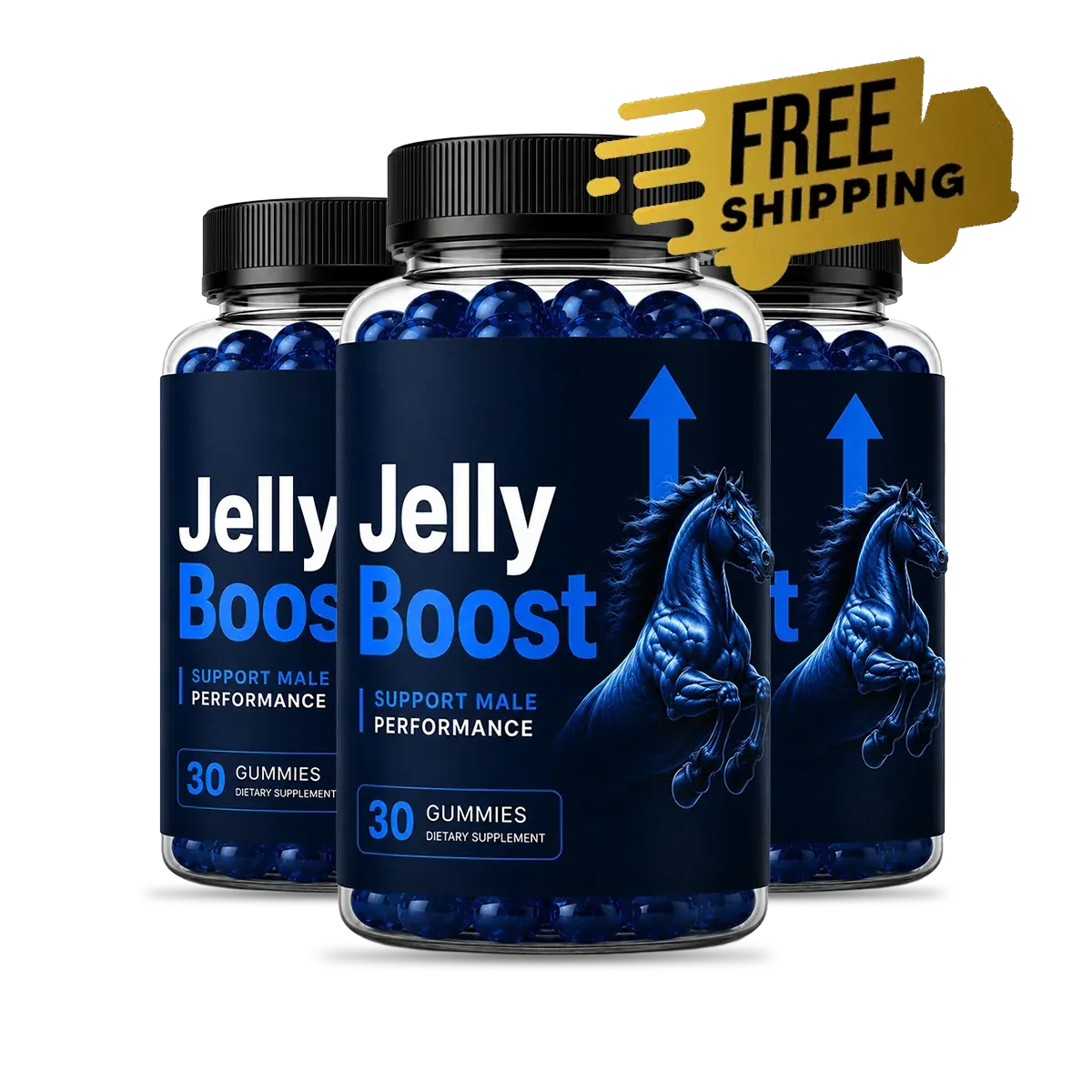
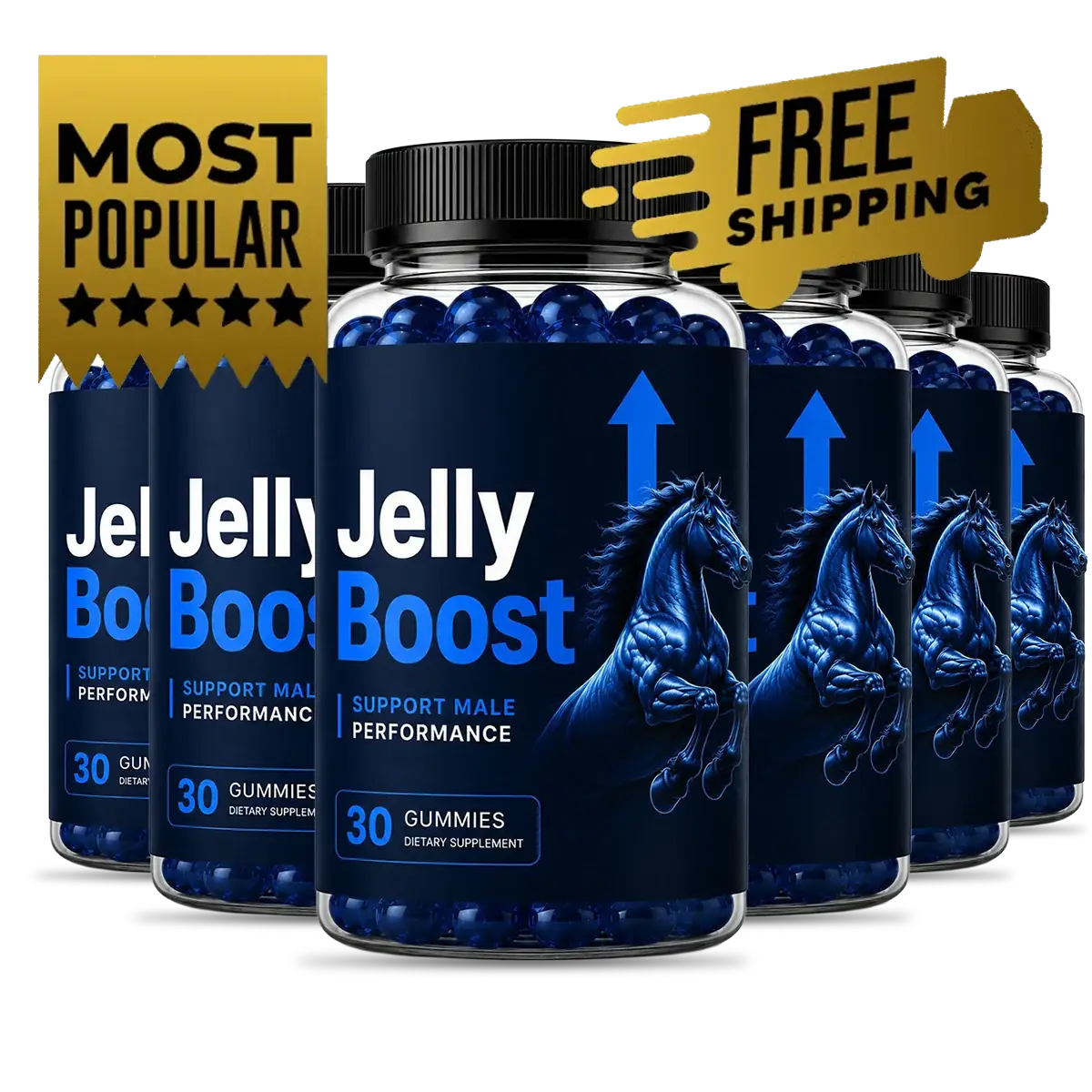
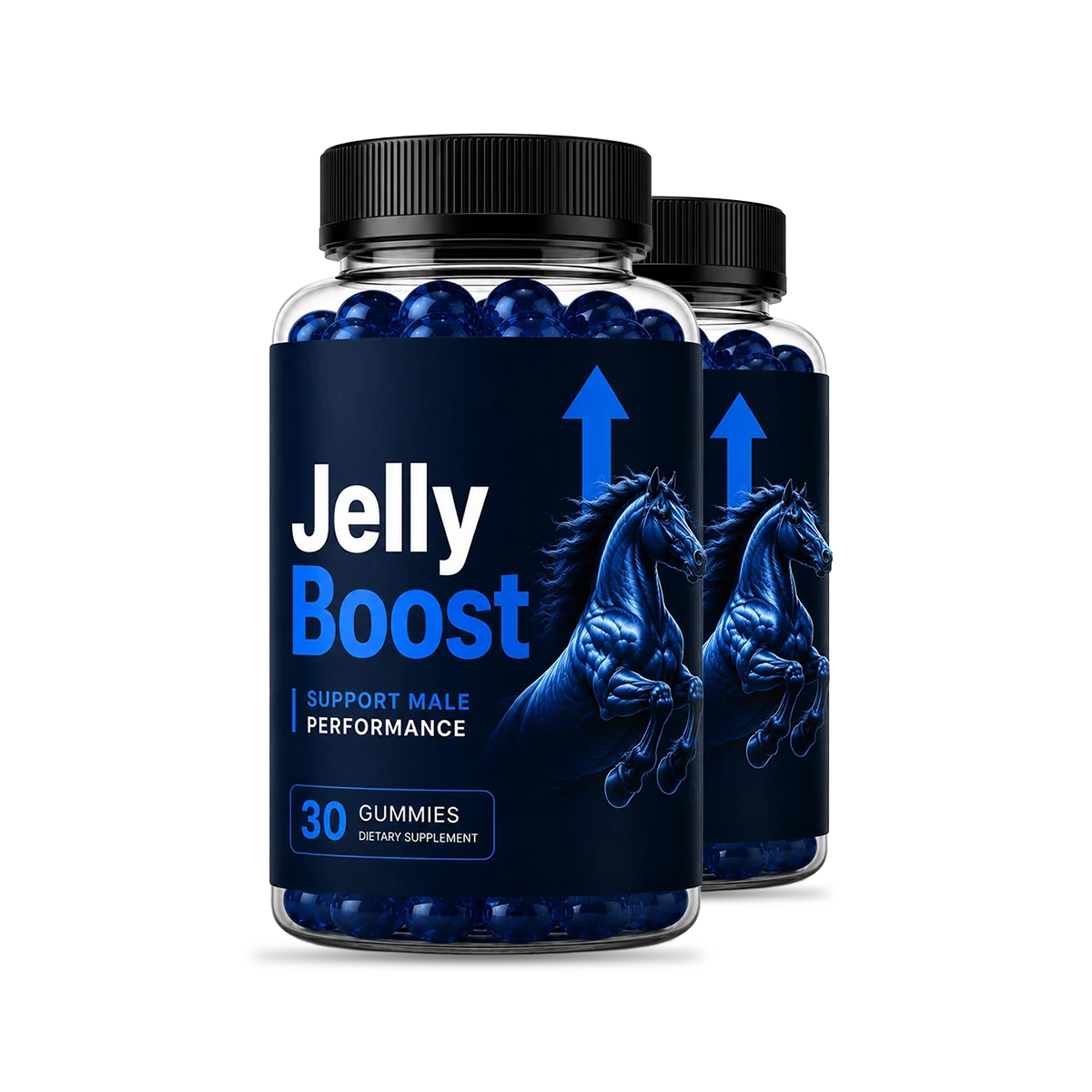
See the current JellyBoost pricing
A men's vitality gummy built on Tongkat Ali, Maca, Ashwagandha and more — see today’s official-store discount.
These statements have not been evaluated by the Food and Drug Administration. This product is not intended to diagnose, treat, cure or prevent any disease. Speak to a qualified healthcare professional before starting any supplement.