Ashwagandha vs Tongkat Ali: Which for Stress, Which for Drive?
Quick Answer: Ashwagandha or Tongkat Ali?
They pull different levers. Ashwagandha is the stress and cortisol tool — the strongest human evidence of the two — and it lifts testosterone indirectly by lowering stress. Tongkat Ali works more directly on free testosterone and drive. That is why formulas pair them rather than pick one.
- Ashwagandha: cortisol, stress, sleep — indirect testosterone support.
- Tongkat Ali: free testosterone and drive, more directly.
- Best case: both together, because they are complementary.
The mistake behind the question
"Ashwagandha or Tongkat Ali" gets asked as if the two are competing for the same slot, like two brands of the same product. They are not. They are more like a mechanic's torque wrench and socket set — related tools for related jobs, but you reach for a different one depending on what is loose. Ashwagandha's job is stress and the hormone that rides with it, cortisol. Tongkat Ali's job is free testosterone and drive. Once you see them that way, the useful question stops being which is better and becomes which lever your body actually needs pulled — and often the honest answer is both.
Ashwagandha: the stress and cortisol lever
Ashwagandha (Withania somnifera) is an adaptogen — a plant that helps the body cope with stress — and it carries the strongest human evidence base of anything in this conversation. The mechanism is refreshingly clear for a botanical: it reliably lowers cortisol, the stress hormone, and reduces perceived stress in trials. Doses generally run 250 to 600 mg per day of a standardised root extract.
The testosterone angle is real but should be framed honestly: ashwagandha's effect on testosterone is largely indirect. Chronically high cortisol suppresses testosterone, so by pulling cortisol down, ashwagandha lets testosterone recover. Studies in stressed men have reported testosterone rises in the region of 14 to 15 percent and DHEA-S around 18 percent — meaningful, but not a drug-level jump, and the biggest gains tend to appear in men who were stressed or run-down to begin with. If your problem is that you are wired, sleeping badly and burned out, ashwagandha is targeting the actual cause. We go deeper in ashwagandha, cortisol and testosterone in men.
Tongkat Ali: the drive and free-testosterone lever
Tongkat Ali (Eurycoma longifolia) works the other end of the problem. Rather than coming at testosterone sideways through stress, it acts more directly on free testosterone — the fraction that is unbound and biologically active. One mechanism discussed in the literature is that it appears to free up testosterone bound to SHBG, raising the active portion. Human trials generally run 200 to 400 mg per day of a standardised extract, with benefits to drive, fatigue and free testosterone reported over roughly two to four weeks, and one study found around 90 percent of low-testosterone men normalised at 200 mg.
The critical caveat is potency: Tongkat Ali's effect tracks its eurycomanone content, so a standardisation percentage matters as much as milligrams — a subject we cover in standardisation and eurycomanone and what 200 mg actually buys you. If your issue is flagging drive rather than burnout, Tongkat Ali is the more targeted lever.
Head to head
Laid side by side, the division of labour is clean:
- Primary job — Ashwagandha: lower cortisol and stress. Tongkat Ali: raise free testosterone and drive.
- Testosterone effect — Ashwagandha: indirect, via stress reduction. Tongkat Ali: more direct, strongest in men who start low.
- Strength of evidence — Ashwagandha: the more robust human data set. Tongkat Ali: promising human data, very dependent on extract quality.
- Best for — Ashwagandha: the stressed, poorly-sleeping, burned-out man. Tongkat Ali: the man whose stress is managed but whose drive has dipped.
- Typical dose — Ashwagandha: 250–600 mg. Tongkat Ali: 200–400 mg standardised.
Timelines: what to expect and when
Neither is an instant switch, and any product promising an overnight effect is selling something. Ashwagandha's stress and sleep benefits can show up within a couple of weeks, with the hormonal shifts measured over the eight-to-twelve-week windows most trials use. Tongkat Ali's drive and fatigue benefits tend to appear over two to four weeks of consistent daily use. The common thread is consistency: both are daily-habit ingredients, not on-demand ones. If you are the kind of person who forgets pills, that is an argument for a format you will actually take — see gummies vs pills.
Why formulas pair them
Here is the payoff of understanding the two levers: they are complementary, not redundant, so combining them covers more of the picture than either alone. Ashwagandha handles the stress-cortisol axis that quietly suppresses testosterone; Tongkat Ali works on the free-testosterone side directly. Together they address both a common cause of low drive (stress) and the output itself (active testosterone). That is exactly why a well-designed men's formula tends to include both rather than betting everything on one.
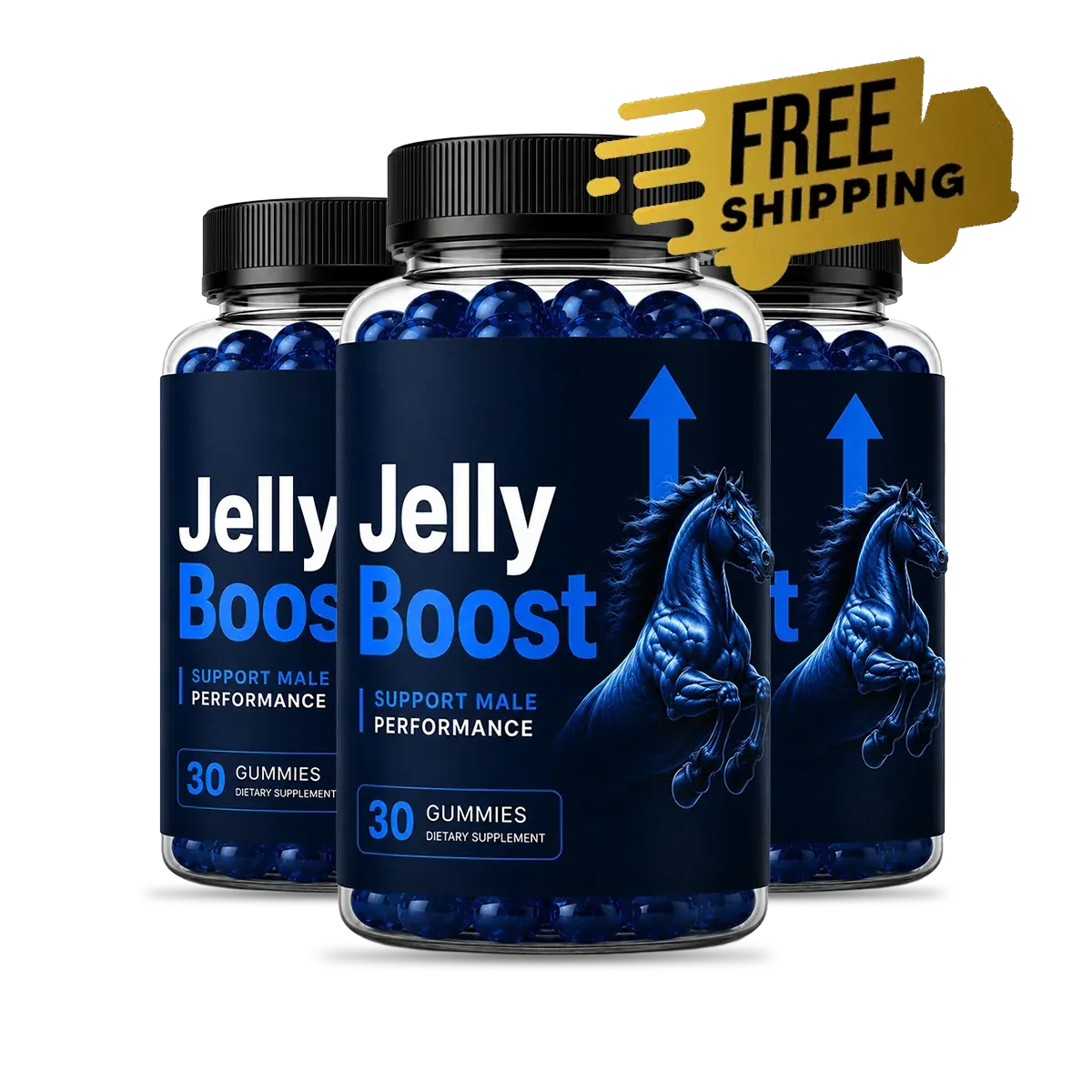
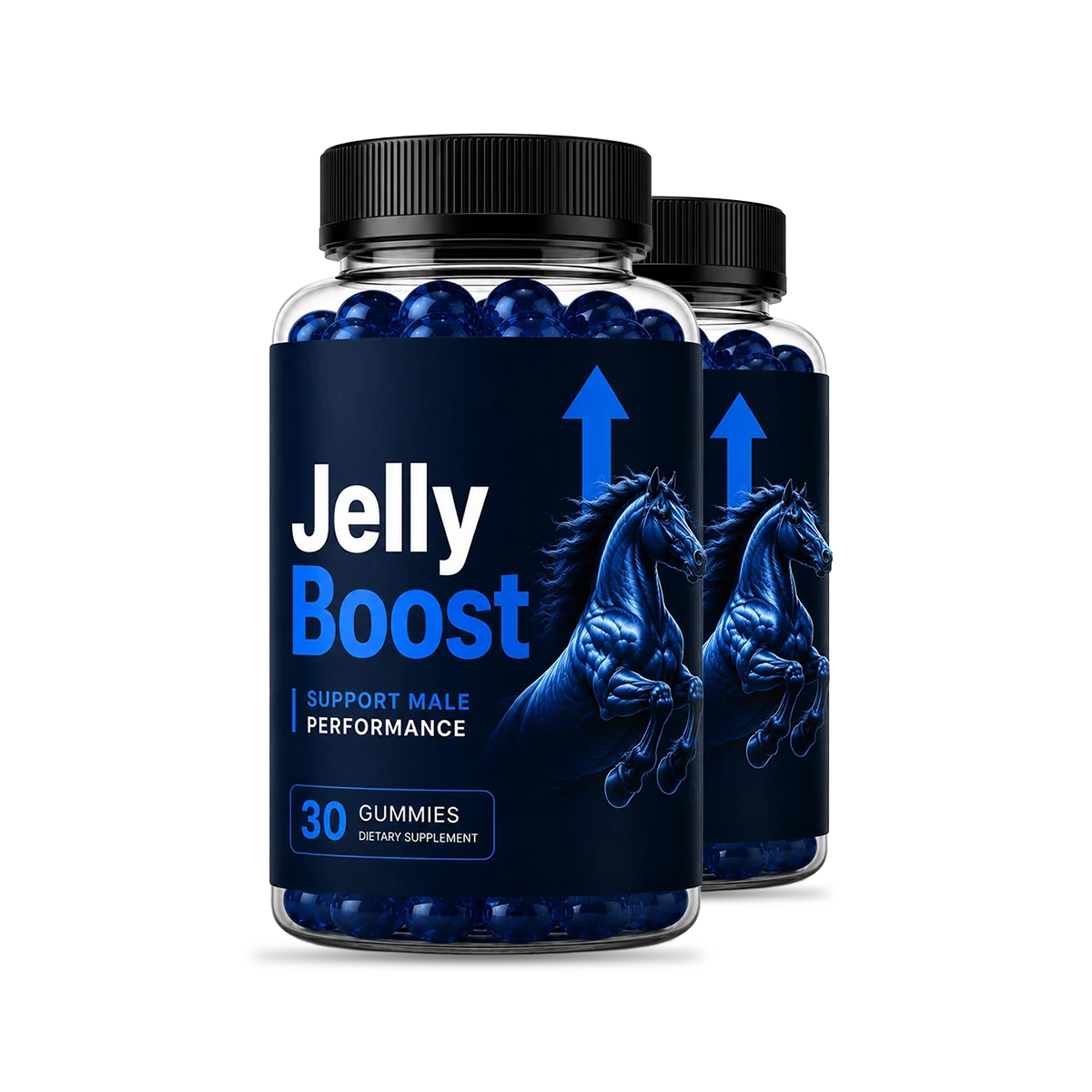
JellyBoost is built this way — Tongkat Ali at 200 mg as the lead active and Ashwagandha at 100 mg alongside it, both printed individually on a fully split panel with no proprietary blend. Two honest notes: the ashwagandha at 100 mg sits below the 250–600 mg usually studied, so read it as meaningful support rather than a full clinical dose, and no standardisation percentage is stated for the Tongkat Ali. But the pairing logic is sound, and the transparency lets you judge the amounts yourself. The whole formula is broken down in JellyBoost ingredients explained.
Safety and who should be cautious
Both botanicals have a long history of traditional use and a reassuring safety record in the trials done so far, but "natural" is not the same as "risk-free," and a few groups should take extra care. Ashwagandha is a member of the nightshade family and acts on thyroid and immune signalling, so anyone with a thyroid condition, an autoimmune disorder, or who is on sedatives should speak to a doctor first; there have also been rare reports of liver issues at high doses, which is another reason to respect the researched range rather than mega-dose. Tongkat Ali is generally well tolerated at studied doses, but because it works on hormones it is not something to combine casually with testosterone therapy or hormone-sensitive conditions without medical input. Neither is appropriate during pregnancy or breastfeeding, and both should be paused before surgery. If you take any prescription medication, the sensible move is a quick conversation with your doctor or pharmacist before starting either one — the interaction picture matters more than the ingredient's reputation.
So which should you take?
Diagnose the bottleneck first. If you are stressed, under-slept and running on fumes, start with ashwagandha — it targets the cause and has the strongest evidence. If your stress is under control but drive has quietly slipped, reach for Tongkat Ali. If both apply, which is common for men over forty, taking both is the sensible move and the reason combination formulas exist. Whatever you choose, keep expectations calibrated: these are supportive nudges backed by real but modest human data, not testosterone-replacement therapy in a bottle. For the wider reality check on the whole category, read do testosterone boosters actually work. And as always, if you take medication or have a health condition, clear it with your doctor before starting either.
Frequently asked
Ashwagandha or tongkat ali - which is better?
It depends on the problem. Ashwagandha is the better choice if stress, poor sleep and high cortisol are dragging you down - it has the strongest human evidence of the two. Tongkat Ali is the better choice if the issue is low drive and free testosterone. They target different levers, so neither is simply better.
Can you take ashwagandha and tongkat ali together?
Yes, and pairing them is common precisely because they are complementary - one works on the stress and cortisol side, the other on free testosterone and drive. Many men's formulas, JellyBoost included, contain both. As always, clear it with your doctor first if you take medication or have a health condition.
Which raises testosterone more, ashwagandha or tongkat ali?
Both have testosterone data, but they get there differently. Ashwagandha raises it indirectly by lowering cortisol, with studies reporting rises around 14 to 15 percent in stressed men. Tongkat Ali acts more directly on free testosterone, especially in men who start out low. Neither is a drug-level effect.
Which is best for stress, ashwagandha or tongkat ali?
Ashwagandha, clearly. It is an adaptogen with repeated human trials showing lower cortisol and reduced perceived stress. Tongkat Ali has some anti-stress signal too, but ashwagandha is the dedicated stress and cortisol tool of the two.
Related reading
- Ashwagandha, cortisol and testosterone in men
- Tongkat Ali dosage: what 200 mg actually buys you
- JellyBoost ingredients explained: all seven actives
- Do testosterone boosters actually work?
See the current JellyBoost pricing
Full label, all seven actives, and today’s official-store discount.
These statements have not been evaluated by the Food and Drug Administration. This product is not intended to diagnose, treat, cure or prevent any disease. Speak to a qualified healthcare professional before starting any supplement.