Grape Seed Extract: The Overlooked Antioxidant in Men's Formulas
Quick Answer: What Does Grape Seed Extract Do?
Grape seed extract is packed with proanthocyanidin antioxidants. Its best-supported job is protecting the endothelium — the artery lining that governs blood flow — from oxidative stress, with some studies showing modest blood-pressure benefits. It is a supporting-cast ingredient for vascular health, not a testosterone or libido driver.
- Active compounds: proanthocyanidins, a class of potent antioxidants.
- Main role: protecting endothelial and vascular health.
- On the label: 50 mg — below the 100–300 mg research range.
The ingredient nobody puts on the front of the box
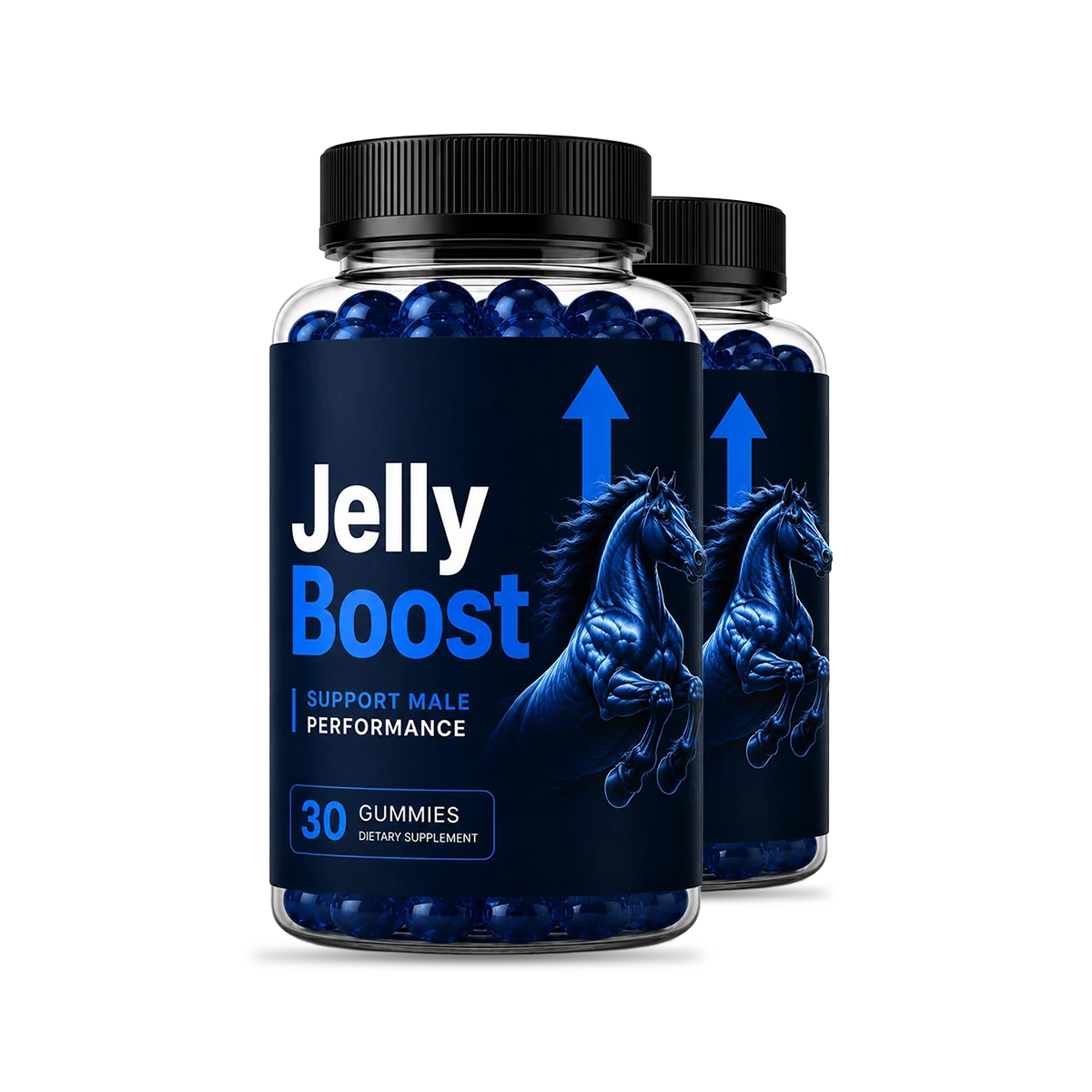
Every men's vitality formula has a headline act — usually Tongkat Ali or Horny Goat Weed — and then a cast of quieter ingredients that fill out the label. Grape seed extract is almost always in the second group. It rarely gets a mention in the marketing, and on the JellyBoost panel it sits at the bottom of the list at 50 mg. Yet of all the "supporting" ingredients in this category, grape seed has one of the more coherent scientific rationales. It is worth understanding precisely because it is so easy to overlook.
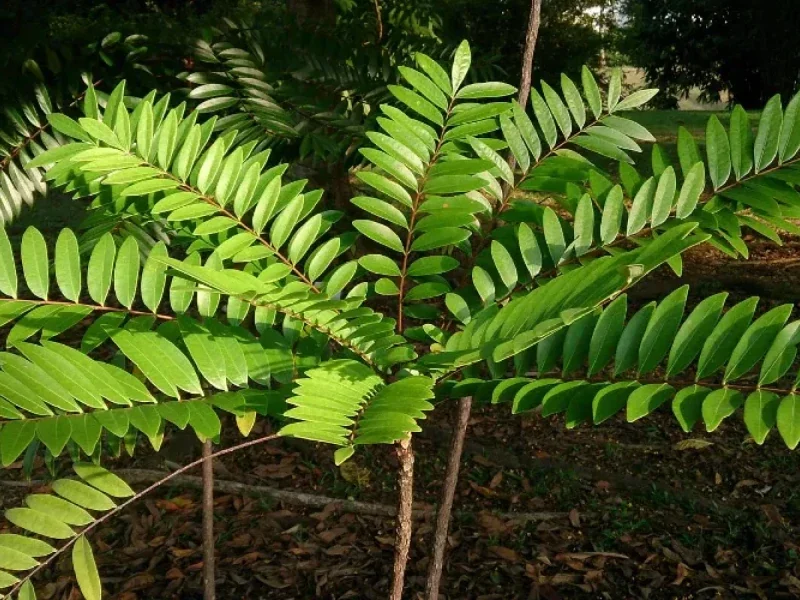
Grape seed extract is made from the seeds of the common wine grape, Vitis vinifera — the parts left behind when grapes are pressed. Those seeds are unusually rich in a family of antioxidant compounds called oligomeric proanthocyanidins, often shortened to OPCs. That single fact explains most of what the ingredient is claimed to do.
What proanthocyanidins actually are
Proanthocyanidins are polyphenols — the same broad chemical family that makes green tea, dark chocolate and red wine interesting to nutrition researchers. Their defining property is that they mop up reactive molecules called free radicals. Free radicals are a normal by-product of living and breathing, but when they build up faster than the body can neutralise them, the result is oxidative stress: a slow, low-grade wear-and-tear on cells and tissues.
Blood vessels are particularly sensitive to that wear. The thin single-cell layer lining every artery, the endothelium, is where much of the action of circulation is regulated, and it is easily damaged by oxidative stress. This is where grape seed extract earns its keep: antioxidants that concentrate in vascular tissue and take some of the oxidative load off that lining.
Why the endothelium matters for men
Here is the connection the marketing usually skips, even though it is the most interesting part. The endothelium is not passive plumbing. It actively produces nitric oxide — the same signalling molecule at the centre of every article about blood flow and erections. When the endothelium is healthy, it releases nitric oxide efficiently and vessels relax and widen on demand. When it is under oxidative stress and starts to malfunction — a state researchers call endothelial dysfunction — that nitric-oxide response falters.
Endothelial dysfunction is not an abstract worry for men. It is one of the earliest measurable steps on the road to cardiovascular disease, and because the vessels supplying erectile tissue are small and among the first affected, it is tightly linked with erectile difficulties too. In other words, the "same plumbing" argument is literally true: the vascular health that keeps a heart working is the vascular health erections depend on. An antioxidant that supports that lining is therefore addressing the foundation rather than a symptom.
What the research actually shows
The honest summary is: promising, but not the finished article. The strongest human data for grape seed extract sits in cardiovascular measures. Several randomised trials and pooled analyses have found modest reductions in blood pressure, particularly in younger and middle-aged adults and in people with elevated readings to begin with. Some studies also report improvements in markers of endothelial function and in blood lipid oxidation.
What does not exist is a body of trials showing grape seed extract directly improves testosterone, libido or erectile function in men. That gap is important, and any page that implies otherwise is overselling. The reasonable interpretation is mechanistic: grape seed supports the vascular system that these outcomes rely on, and it is fair to include it on those grounds — but it is a contributor to the terrain, not a proven lever on the outcome. Treat the antioxidant and blood-pressure data as the real evidence, and treat the male-vitality angle as a plausible downstream inference that has not been directly tested.
What dose does the research use?
This is where a label check earns its keep. Human studies of grape seed extract generally use somewhere between 100 and 300 mg per day, and the better ones specify a standardised extract — often standardised to a high percentage of proanthocyanidins, so you know how much of the active fraction you are actually getting. As with every botanical, the standardisation percentage matters as much as the milligram figure. Two products both listing "grape seed extract" can carry very different amounts of the compounds that do the work.
The 50 mg on the JellyBoost panel is below that typical research range. That does not make it useless, but it does set the expectation. At 50 mg, grape seed is best read as a supporting antioxidant contribution — a sensible addition to a formula rather than a stand-alone dose you would expect to move a blood-pressure reading on its own. If grape seed were your primary reason for taking a supplement, you would want a dedicated product in the 150 mg-plus range with a stated proanthocyanidin percentage.
How to think about a supporting-cast ingredient
It helps to separate two jobs a formula ingredient can do. Some are meant to be the mechanism — the reason the product exists. Others are meant to be supportive: cheap insurance for a system the headline ingredients also lean on. Grape seed extract is firmly in the second category, and there is nothing wrong with that as long as it is described honestly. A well-built formula is allowed to have supporting players, provided the brand does not dress them up as the star.
The trap to avoid is the reverse: a label that lists eight or ten "clinically studied" ingredients, each at a token dose, so the front of the box can claim a long roster while no single ingredient reaches a meaningful amount. The antidote is the same as always — read the Supplement Facts panel, note the milligrams, and ask whether each figure is a genuine dose or a sprinkle for the label.
Is grape seed extract safe?
For most healthy adults, grape seed extract is well tolerated at normal supplement doses. Reported side effects are usually mild — occasional stomach upset, nausea or headache. The two cautions worth flagging are practical rather than alarming: because it can modestly lower blood pressure, it may add to the effect of blood-pressure medication, and because it can have a mild effect on blood thinning, anyone taking anticoagulants or facing surgery should clear it with a doctor first. As with anything on a supplement label, pregnancy, existing medical conditions and prescription drugs are all reasons to check before starting.
The bottom line
Grape seed extract is the quiet, sensible inclusion in a men's formula: a well-characterised antioxidant with real cardiovascular data behind it, supporting the vascular health that circulation and erections both depend on. It is not a testosterone booster, it has not been proven to fix anything on its own, and at 50 mg it is a supporting contribution rather than a clinical dose. Understood on those terms, it is one of the more defensible things on the panel — and a good example of why the ingredients nobody advertises are sometimes the ones worth knowing about.
Frequently asked
What does grape seed extract do?
Grape seed extract is concentrated in proanthocyanidins, a group of plant antioxidants. Its best-supported role is protecting blood vessels: it helps neutralise oxidative stress and supports the healthy function of the endothelium, the thin lining of the arteries. Some human studies also show modest reductions in blood pressure. It is a vascular-support ingredient rather than a testosterone or libido booster.
Does grape seed help blood flow?
Indirectly, yes. Healthy blood flow depends on a healthy endothelium, which is the tissue that releases nitric oxide to relax blood vessels. By reducing oxidative stress on that lining, grape seed proanthocyanidins may help it work better over time. This is general circulatory support, and the human evidence is promising rather than definitive.
What is a good dose of grape seed extract?
Human studies commonly use somewhere between 100 and 300 mg per day of a standardised extract, often standardised to a high percentage of proanthocyanidins. The 50 mg on the JellyBoost panel is below that research range, so it is best understood as a supporting antioxidant contribution alongside the other actives rather than a full clinical dose.
Is grape seed extract safe?
For most healthy adults it is well tolerated at typical supplement doses, with side effects usually limited to mild stomach upset or headache. Because it may lower blood pressure and can affect blood thinning, anyone on blood-pressure or anticoagulant medication should check with a doctor before taking it.
Related reading
- JellyBoost ingredients explained: the full label, one page
- Beet root nitrates for blood flow and stamina
- How to improve blood flow for erections naturally
- How to read a men's supplement label
See the current JellyBoost pricing
Full label, all seven actives, and today’s official-store discount.
These statements have not been evaluated by the Food and Drug Administration. This product is not intended to diagnose, treat, cure or prevent any disease. Speak to a qualified healthcare professional before starting any supplement.